



The history and significance of birthstones are both fascinating and deeply rooted in tradition. Each gemstone is not just a pretty stone; it carries meanings and stories that date back centuries. Originating from biblical references where stones represented the twelve tribes of Israel, birthstones have evolved over time. Each month now has a unique stone that symbolizes various traits and personalities.
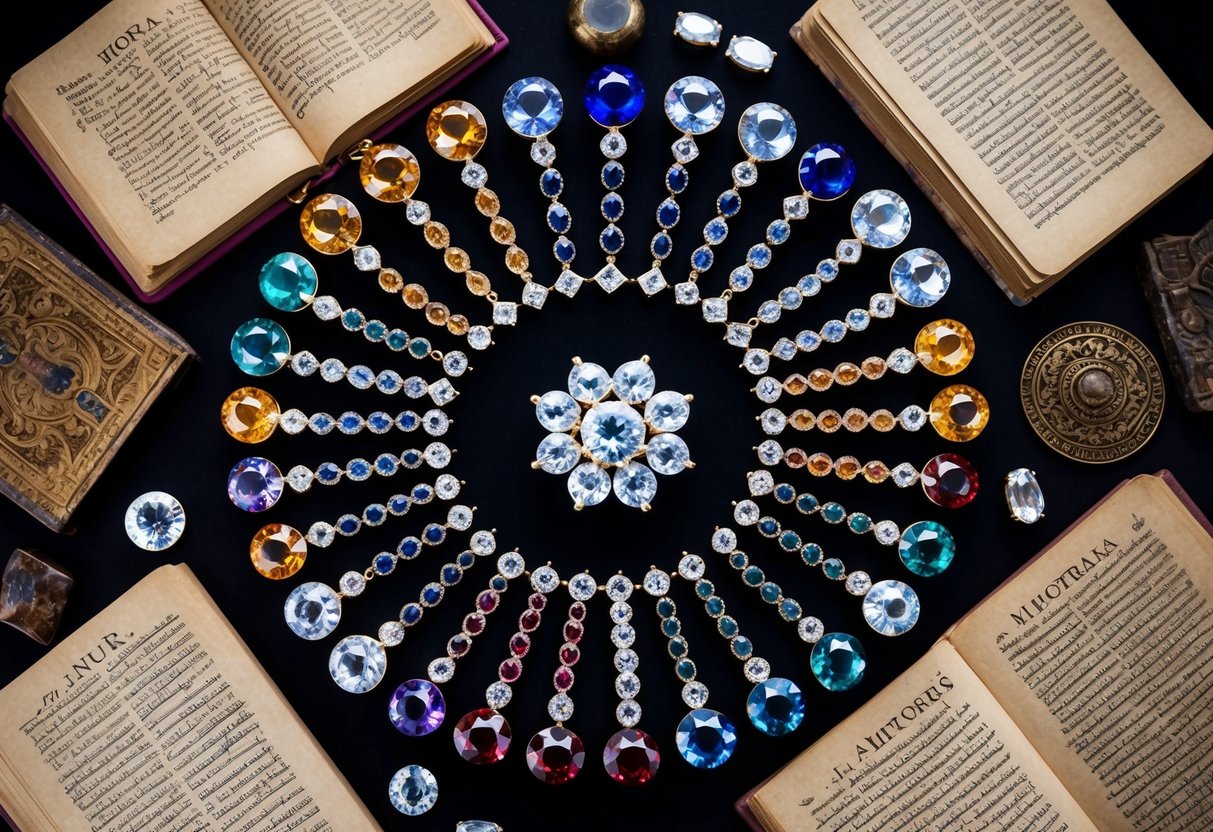
In today’s world, birthstones make perfect personalized gifts, adding a special touch to birthdays and celebrations. Imagine giving a friend a beautiful piece of jewelry that reflects their birth month, carrying with it all the significance and lore. Not only do these stones represent individuality, but they also connect to various historical beliefs and customs across cultures.
Whether you’re curious about the gemstone linked to your birth month or considering a meaningful gift for someone special, this journey through the world of birthstones will illuminate their enchanting history and lasting significance. You’ll discover how these stones have woven their way into our lives and continue to hold value today.
The Origin and History of Birthstones
Try a free zodiac tool
Read today’s message for your sign
Get a fresh zodiac forecast for timing, relationships, and reflection.
Birthstones have a rich history traced back to ancient texts and cultures. These gemstones symbolize more than beauty; they are linked to beliefs, astrology, and personal significance. Let’s explore where birthstones come from and how they evolved over time.
Biblical References and Aaron’s Breastplate
The story of birthstones starts in the Bible. In the Book of Exodus, the high priest Aaron wore a breastplate with twelve stones. Each stone represented one of the twelve tribes of Israel. These stones were thought to hold spiritual power.
St. Jerome, a famous Biblical scholar, linked these stones to the twelve signs of the zodiac. This connection brought further meaning to the gemstones. People believed that wearing these stones could bring luck or protection.
The twelve stones mentioned in Aaron’s breastplate included:
- Ruby
- Sapphire
- Emerald
- Diamond
- Amethyst
- Topaz
- Opal
- Agate
- Jasper
- Citrine
- Onyx
- Beryl
This rich history forms the foundation for today’s understanding of birthstones.
Birthstones in Ancient Cultures
Birthstones also appeared in many ancient civilizations. In Egypt, people wore gemstones for protection and healing. Jewelers crafted rings and amulets, believing each stone had unique powers.
Ancient Greece viewed gemstones through the lens of astrology. They believed that the cosmos influenced people based on their birth month. This idea spread to Eastern cultures, which embraced similar concepts. They recognized the importance of gemstones in their traditions and rituals.
Each culture believed in the healing and protective qualities of specific stones, leading to diverse interpretations of birthstones.
Evolution into Modern Times
As time passed, birthstones continued to evolve. In the 20th century, the National Retail Jewelers Association—now known as the Jewelers of America—established an official list of modern birthstones. This list helped standardize what gemstones correspond with each month.
Today, every month has its assigned birthstone and some months even have alternative stones. For example:
- January: Garnet
- February: Amethyst
- March: Aquamarine
Birthstones are popular in jewelry, from rings to necklaces, and they remain meaningful symbols in many cultures. The significance of these stones continues to inspire designs and personal choices in jewelry.
Soul Signal Quiz
What Message Is the Universe Sending You Right Now?
Take the 60-second Soul Signal Quiz and reveal whether this sign points to clarity, love, purpose, protection, or transformation.
The Mystical and Healing Properties
Birthstones have long been associated with mystical and healing properties. Many believe these gemstones can protect and empower individuals. They also connect deeply with astrology and your zodiac sign. Let’s explore how these aspects relate to birthstones.
Protection and Power
Many people view birthstones as symbols of protection and power. You might feel that wearing your birthstone can help ward off negative energy. Each gemstone is thought to carry unique benefits.
For instance, Amethyst is known for its calming effects, which can relieve stress and anxiety. In contrast, Garnet is believed to inspire love and trust. Wearing these stones as birthstone jewelry can enhance their protective qualities. Some even use birthstone charms as a way to keep the stone close.
Here’s a quick look at how some popular birthstones are believed to protect you:
| Birthstone | Protection Quality |
|---|---|
| Amethyst | Calms the mind |
| Garnet | Encourages loyalty |
| Emerald | Fosters harmony |
| Sapphire | Promotes wisdom |
Astrology and Birthstone Connection
The link between birthstones and astrology is fascinating. Each gemstone aligns with a specific zodiac sign, adding to its significance. When you understand your astrological chart, you may find a deeper personal connection to your birthstone.
For example, if you’re a Cancer, your birthstone is Moonstone. It’s believed to enhance emotions and intuition. Similarly, Aquarians benefit from Amethyst for creativity and clarity.
When choosing birthstone jewelry, you might want to consider the astrological aspects to enhance your overall well-being. Incorporating your birthstone into your life can strengthen your connection to your zodiac sign and its energies, helping you feel more aligned and empowered.
Gemstones by Month and Their Meanings
Each month of the year has its own unique birthstone, which carries specific meanings and attributes. These gemstones not only represent the months but also connect to traditions and beliefs about their powers and benefits. Let’s explore the birthstones from January to June and then from July to December.
January to June Birthstones
-
January: Garnet
Garnet symbolizes protection and is believed to keep travelers safe. Its deep red color is a favorite for many. -
February: Amethyst
This purple stone is linked with peace and balance. People believe it can soothe the mind and alleviate stress. -
March: Aquamarine
Aquamarine is a calming stone, often associated with water. It’s thought to promote courage and clear communication. -
April: Diamond
Diamonds are famous for their hardness and brilliance. They symbolize love and strength, often chosen for engagement rings. -
May: Emerald
Known for its vibrant green color, emeralds represent rebirth and love. They are also believed to bring harmony and loyalty. -
June: Pearl, Moonstone, and Alexandrite
June offers a trio of gems. Pearls symbolize purity, moonstones promote new beginnings, and alexandrite is celebrated for its color-changing abilities.
July to December Birthstones
-
July: Ruby
The ruby is the “king of gems.” Its rich red hue symbolizes passion and motivation, making it a favorite for many. -
August: Peridot
This lime-green gem is linked to good fortune and health. It’s thought to bring emotional balance and happiness. -
September: Sapphire
Sapphires are mainly associated with wisdom and nobility. Their deep blue color often represents loyalty and trust. -
October: Opal and Tourmaline
October’s birthstones both have diverse colors. Opals symbolize creativity, while tourmaline is believed to protect against negative energy. -
November: Topaz and Citrine
Topaz is known for its calming properties, while citrine promotes positivity and abundance. Both are thought to bring joy. -
December: Tanzanite, Zircon, and Turquoise
December has a vibrant trio. Tanzanite is linked to transformation, zircon symbolizes wisdom, and turquoise offers protection and peace.
Cultural and Personal Impact of Birthstones
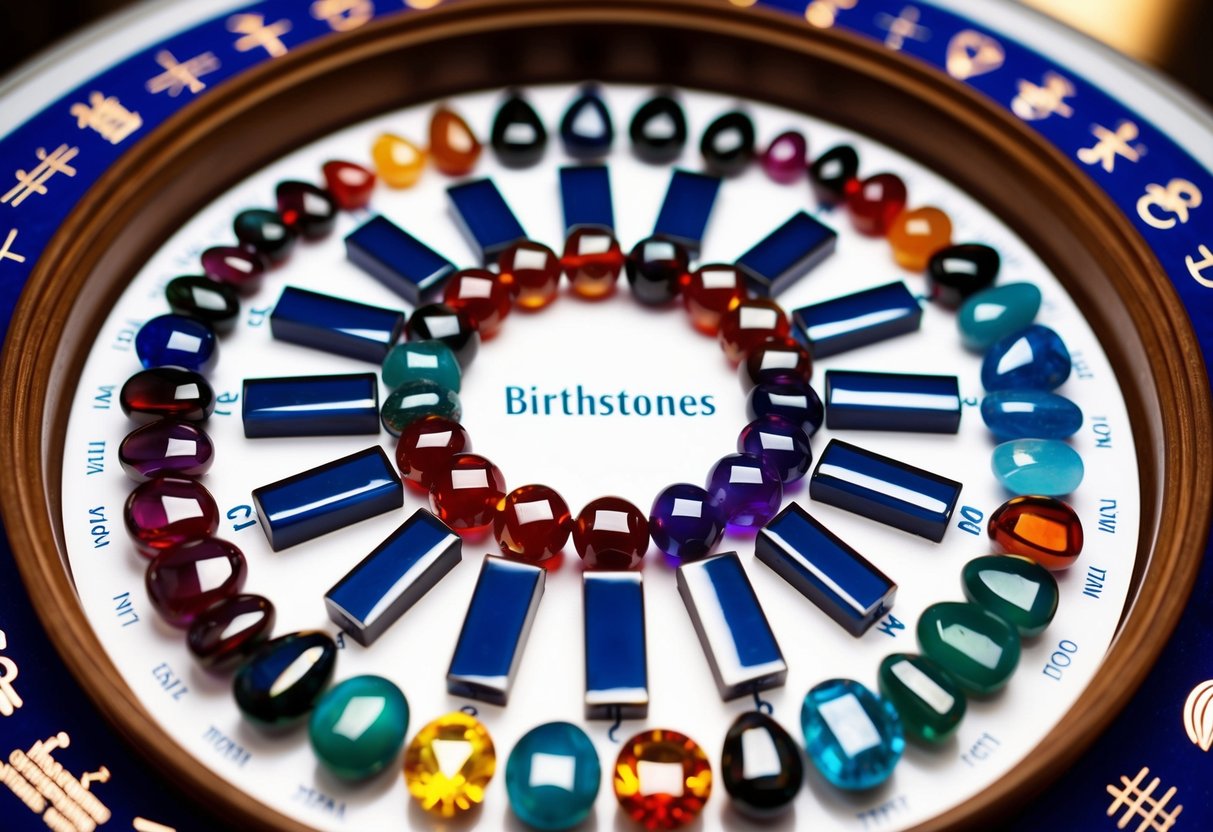
Birthstones hold deep cultural meaning and personal significance for many people. They influence trends in fashion and jewelry, while also serving as cherished symbols for individuals.
Birthstones in Fashion and Jewelry
Birthstones have made a big impact on the jewelry industry. Many people wear birthstone jewelry to express their personality or show their connection to their birth month. Common items include rings, necklaces, and birthstone charms.
When choosing a personalized gift, birthstone items often top the list. They not only celebrate a person’s birthday but also hold special meaning. For instance, a garnet for January symbolizes love and trust, making it a thoughtful gift.
Additionally, birthstones can enhance fashion. Mixing and stacking jewelry pieces featuring different stones allows for creative expression. This makes birthstones a staple in many jewelry collections today.
Birthstones as Personal Talismans
Many individuals also see birthstones as personal talismans or symbols of protection and luck. Wearing your birthstone can create a feeling of connection to your identity.
The significance of birthstones varies by culture. For example, in some traditions, certain stones are believed to bring good fortune. In others, they are tied to emotional or spiritual support.
Gemology experts explain that each stone is associated with different qualities. This makes wearing a birthstone feel special and personal. Many people report feeling a sense of comfort when their birthstone is nearby. Whether you wear it as jewelry or carry it as a charm, your birthstone can be a meaningful presence in your life.
Modern Birthstones and Their Selection
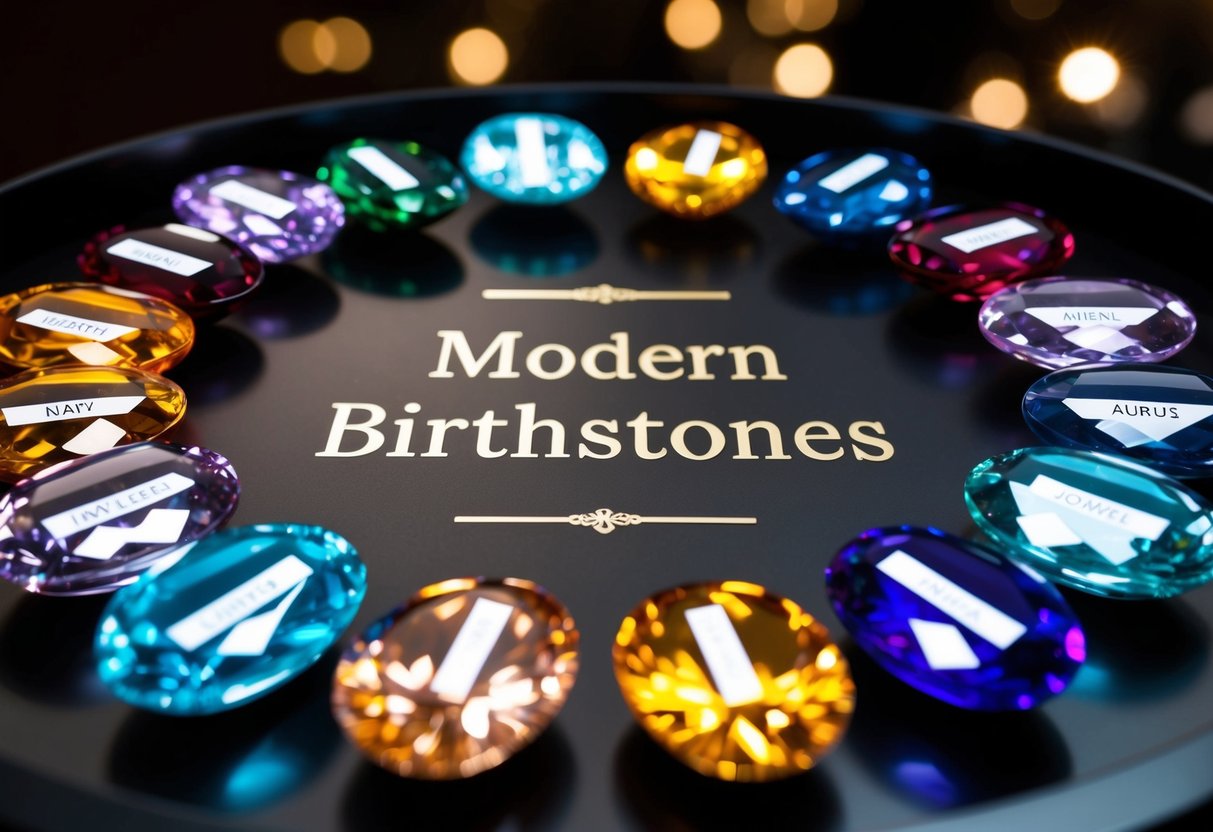
Modern birthstones have evolved from traditional lists, reflecting a wider variety of gems. This section covers how the modern list was established and some interesting additions and variations.
Establishing the Modern List
In 1912, the National Association of Jewelers created the official modern birthstone list. This was a significant development because it updated older lists that were no longer relevant. The goal was to choose gems that are more widely available and appealing for jewelry making.
The modern birthstone list includes:
| Month | Birthstone |
|---|---|
| January | Garnet |
| February | Amethyst |
| March | Aquamarine |
| April | Diamond |
| May | Emerald |
| June | Alexandrite |
| July | Ruby |
| August | Peridot |
| September | Sapphire |
| October | Opal |
| November | Topaz |
| December | Turquoise |
Notably, gems like tanzanite and spinel were added later to include more options and unique colors.
Additions and Variations
Since the establishment of the modern list, variations have emerged. For example, jewelers often include quartz and other gemstones not originally on the list. This flexibility allows for customized jewelry that reflects personal tastes.
You might notice some differences between modern and traditional lists. For instance, turquoise represents December in both lists, but December was also given zircon in some variations.
The Jewelry Industry Council of America has also supported these updates, ensuring that birthstones remain relevant. This approach encourages creativity while celebrating individual preferences. You can mix and match gems to create a piece that means something special to you.
Frequently Asked Questions
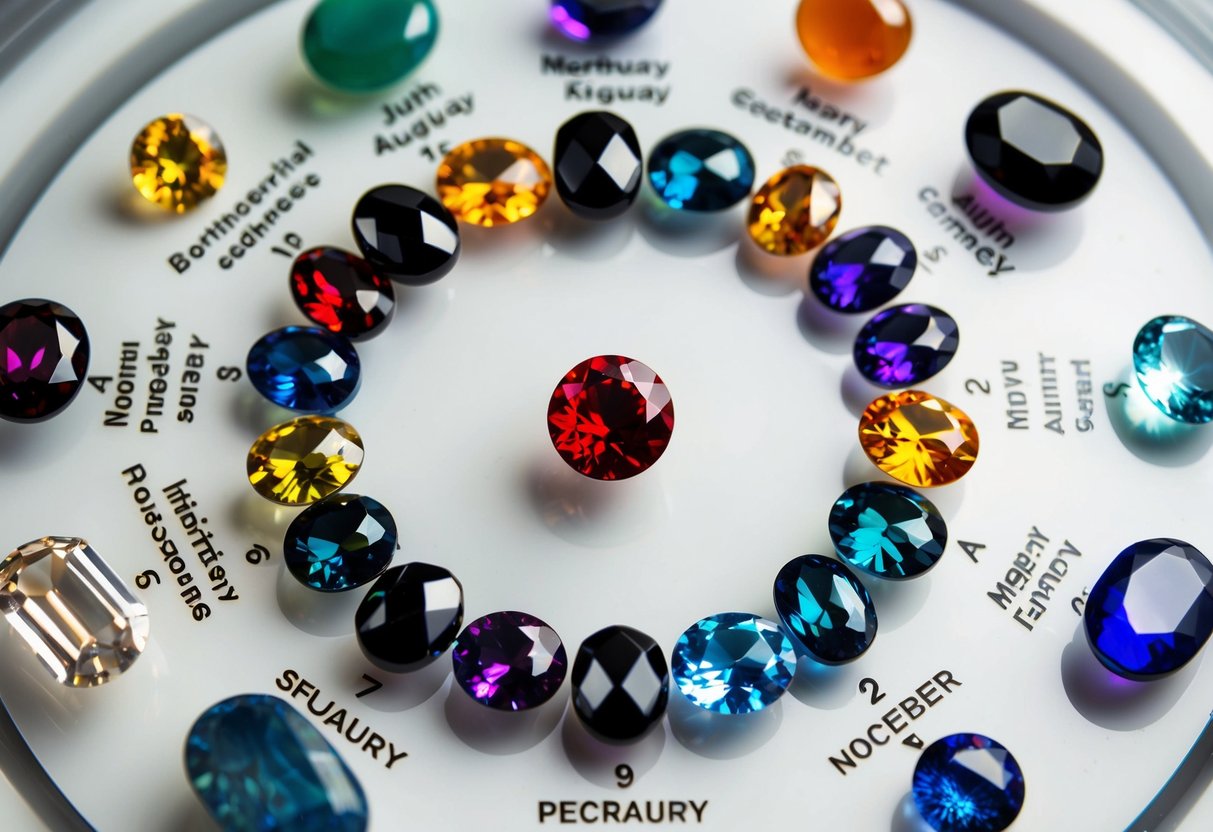
Curious about birthstones and their meanings? Let’s dive into some frequently asked questions that cover the origins, cultural significance, and intriguing myths surrounding these gems.
What is the origin and cultural significance of each month’s designated birthstone?
Each month’s birthstone has roots in ancient traditions. The practice can be traced back to the Bible, where twelve stones represented the twelve tribes of Israel. Over time, cultures adopted these stones, linking them to birth months and personal identity.
How are birthstones linked to zodiac signs, and what are their astrological meanings?
Birthstones often correspond to zodiac signs, adding another layer of meaning. Each stone is believed to bring good luck or protect from negative energy based on astrological beliefs. For example, people born in March with the aquamarine might find it aligns with traits of tranquility and courage.
Can you explain the meanings and purported healing properties associated with different birthstones?
Many believe that each birthstone carries specific meanings and healing abilities. For instance, amethyst is thought to bring clarity and calmness, while garnet is linked to trust and vitality. These properties make them popular choices for those seeking both beauty and personal significance.
What are the historical uses and importance of birthstones mentioned in religious texts?
Historical texts, like the Bible, often highlighted the significance of gemstones. They were believed to offer protection, symbolize divine power, and connect individuals to their faith. Throughout history, birthstones served as talismans, reflecting both personal and spiritual beliefs.
How have the lists of birthstones evolved over time, and what are some ancient beliefs about their powers?
The list of birthstones has changed throughout the years. Originally, they were linked to specific gemstones based on cultural practices. Ancient cultures believed these stones held powers, such as promoting health and fortune, making them prized possessions.
What are some fascinating myths and legends surrounding the most popular birthstones?
Myths about birthstones abound, adding a layer of intrigue. For example, rubies were thought to protect soldiers in battle, while diamonds represented eternal love. These stories deepen the connection people feel toward their birthstones, making them more than just pretty gems.
Your reading does not have to end here
Keep exploring your path
Try a free tool or continue into related meanings while the curiosity is still warm.
