


The dream of not being able to breathe is one of the most profoundly visceral and frightening experiences the subconscious can deliver. Waking up with the physical sensation of panic, gasping for air, or feeling a crushing weight on your chest can leave you feeling utterly disoriented and anxious. Because the physical experience is so intense, it often leads to immediate, fearful interpretations—concerns about health, death, or danger.
However, within the realm of spiritual and dream interpretation, this powerful, distressing dream is rarely a literal warning. Instead, it functions as a potent, urgent message from your deepest self. Your subconscious is using the primal necessity of breath—the fundamental symbol of life—to signal that something crucial in your waking life is restricted, blocked, or simply suffocating your sense of self.
To understand this dream is to understand the breath itself. It is not just air entering your lungs; it is the flow of your vital energy, your emotional freedom, and your ability to fully express your authentic self. When you struggle to breathe in a dream, the message is clear: you are currently struggling to breathe in life.
What This Dream Usually Symbolizes: The Struggle for Autonomy
At its core, the inability to breathe in a dream is a powerful symbol of feeling trapped, restricted, or overwhelmed. When the body struggles for air, the mind interprets that struggle as a loss of control. Spiritually, this points to areas of your life where you feel unable to speak your truth, unable to move forward, or unable to simply *be* yourself.
Try a free compatibility tool
Check your zodiac compatibility
Compare two signs and see where the connection feels easy, intense, or surprising.
The struggle for breath often points to one of three major emotional blockages:
- Emotional Suppression: Are you holding back difficult emotions—like resentment, anger, or grief—because you fear the consequences of expressing them? The physical sensation of breathlessness mirrors the psychological act of keeping emotions caged.
- Lack of Boundaries: Do you find yourself constantly giving emotional energy to others, leaving yourself depleted? Feeling suffocated can symbolize relationships or commitments that are draining your personal space and vitality.
- Inability to Speak Your Truth: This dream can surface when you feel unheard, minimized, or silenced in a key relationship or professional environment. Your subconscious is screaming for your voice to be heard.
The breath, in this context, represents your personal sovereignty—your right to exist freely and authentically.
Soul Signal Quiz
What Message Is the Universe Sending You Right Now?
Take the 60-second Soul Signal Quiz and reveal whether this sign points to clarity, love, purpose, protection, or transformation.
Emotional Context: Mapping Your Feelings to the Dream
The specific emotion you feel during the dream can refine the meaning significantly. It helps pinpoint the exact nature of the blockage you are experiencing.
Anxiety and Generalized Stress (Rapid, Shallow Breathing)
If the dream involves rapid, shallow, panicked breathing, it is a direct reflection of generalized anxiety and chronic stress. This suggests that your nervous system is stuck in “fight or flight” mode. You are experiencing sustained tension in your waking life—a constant, low-grade worry that never allows you to feel truly relaxed or safe. The dream is telling you to slow down and address the source of your constant vigilance.
Guilt and Shame (The Feeling of Constriction)
When the breathlessness is described as a heavy weight or physical constriction (like a hand around your throat), it often relates to deep-seated guilt or shame. This suggests you may feel you have done something wrong, or that you are unworthy of “breathing freely.” This isn’t about a single mistake, but a pattern of self-criticism or holding yourself captive to past perceived failings. The dream asks: *What are you refusing to forgive yourself for?*
Resentment and Bitterness (The Struggle to Exhale)
If the dream feels like you cannot fully exhale, it is a powerful sign of repressed resentment. You are holding onto anger or bitterness toward someone or a situation, and this emotional poison is restricting your vital energy. The body (and the dream) is signaling that you must release this emotional burden to regain your breath and freedom.
Common Dream Scenarios and Their Specific Meanings
The context of the breathlessness dramatically alters the interpretation. Here are three common scenarios and what they may symbolize:
Feeling Strangled or Suffocated
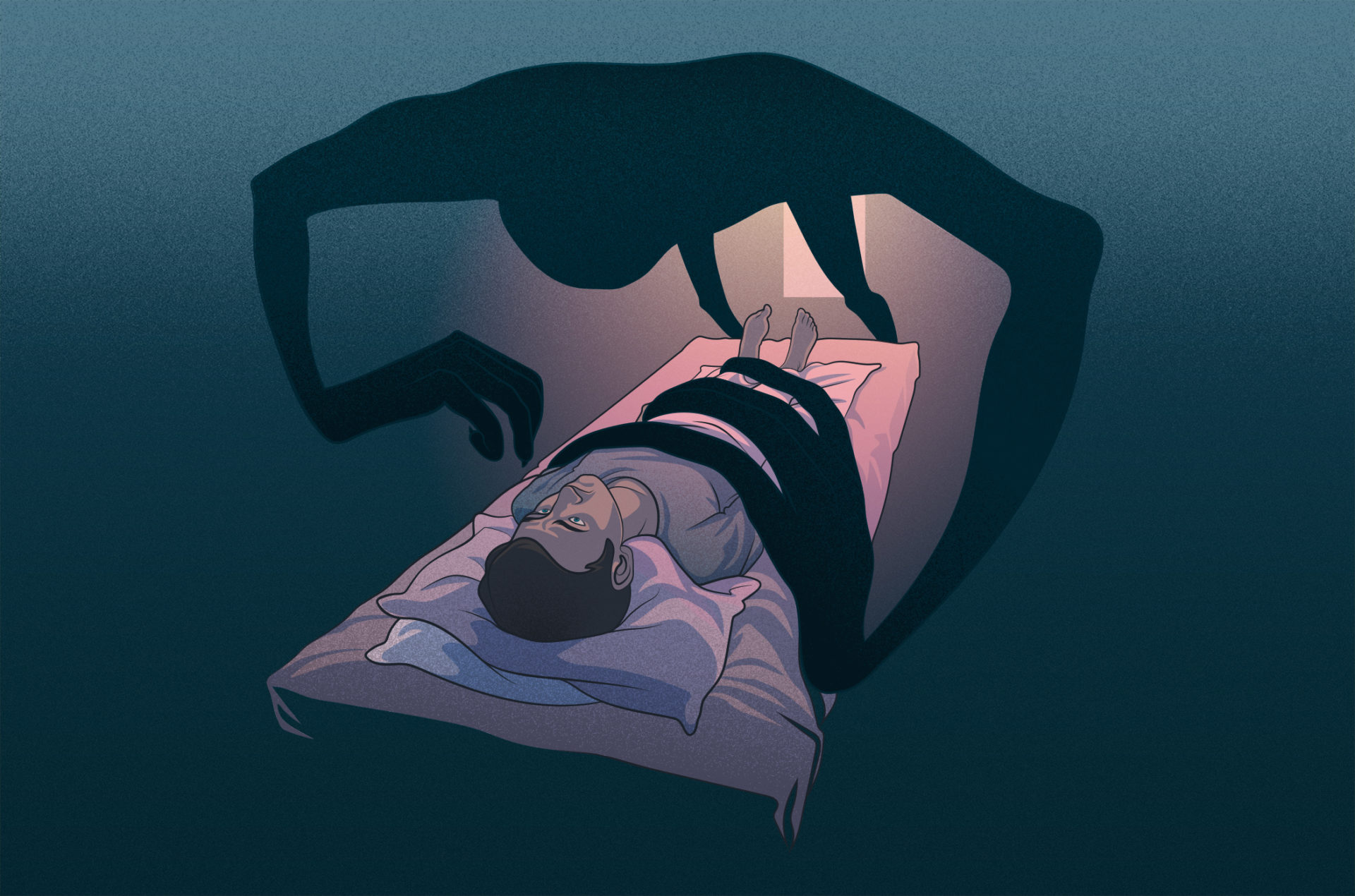
This is perhaps the most direct interpretation of the dream. Being physically restrained in a dream points overwhelmingly to feeling restricted by external forces. This could be:
- Societal Expectations: Feeling pressured to live up to standards that are not genuinely yours.
- Toxic Relationships: Being in a dynamic where your needs, opinions, or time are consistently dismissed or overridden.
- Rules and Constraints: Feeling trapped by physical circumstances, financial debt, or professional obligations that leave no room for personal freedom.
The core message here is: *Someone or something is limiting your true self.*
Drowning or Being Underwater
Drowning dreams symbolize being overwhelmed by emotion, responsibility, or life circumstances. The water itself is a powerful symbol of the unconscious mind and emotion. If you are struggling to breathe underwater, it means you feel submerged—overwhelmed by the “depth” of your feelings (grief, sadness, anxiety) or the sheer volume of demands placed upon you. You feel like you are sinking, lacking the support or energy needed to keep your head above the emotional tide.
Being Chased or Attacked While Struggling to Breathe
This scenario suggests that you are running away from a necessary confrontation, a difficult truth, or a personal responsibility. The inability to breathe while running indicates that the source of your anxiety is something you are actively avoiding. The “attacker” is often a part of yourself—a truth, a vulnerability, or a necessary change—that you are afraid to face. The dream is forcing you to stop running and confront what you are escaping.
The Spiritual Meaning: Prana, Breath, and Inner Freedom
In many spiritual traditions, particularly those rooted in yogic and Vedic thought, breath is not merely biological; it is *Prana*—the universal life force or vital energy. From this perspective, the inability to breathe in a dream is a profound spiritual signal of stagnation.
When your Prana feels blocked in a dream, it suggests that your spiritual practice, connection to nature, or sense of purpose is being curtailed. You may be living a life that is materially successful but spiritually empty. The dream is urging you to reconnect with your inner source of power and remember that your life force is limitless, even when your circumstances feel restrictive.
Spiritual breathlessness is a call to action: a call to stop externalizing your sources of distress and start looking inward. It is a reminder that true life force comes from alignment—aligning your actions with your deepest values, and your words with your soul’s truth. To breathe spiritually is to find your purpose.
Love and Relationships: Feeling Suffocated by Connection
In the context of relationships, breathlessness is a potent indicator of emotional imbalance. If you are constantly feeling breathless when around a certain person, it is a signal that the relationship, in its current form, is detrimental to your sense of self.
This does not mean the relationship is doomed, but it does mean that the *dynamic* needs adjustment. You may be sacrificing your individuality—your right to have private thoughts, personal hobbies, or time alone—to maintain the peace of the connection. Healthy love should feel like an expansion, like taking a deep, restorative breath; if it feels like a struggle for oxygen, it is time to re-evaluate the boundaries and reciprocity within that bond. You must establish the right to breathe independently, even within the context of deep intimacy.
Personal Growth: The Call to Assertiveness and Change
The dream serves as a roadmap for self-improvement. It highlights the specific areas where you are failing to advocate for yourself. Personal growth requires asserting boundaries—the ability to say ‘no’ without guilt, to ask for what you need, and to claim your space. When you dream of breathlessness, it is often because you have been defaulting to people-pleasing or self-sacrificing modes that are unsustainable.
The dream is not telling you to abandon people, but to remember that your self-worth is not contingent upon the needs of others. To move forward and “breathe freely” in your life, you must practice radical self-acceptance and emotional assertiveness. This process can be difficult, but it is the only way to unlock the next phase of your evolution.
Warning or Shadow Meaning: Recognizing Burnout and Emotional Neglect
From a cautionary standpoint, chronic breathlessness dreams are critical warning signs of emotional depletion or burnout. Burnout is not just being tired; it is a state of profound emotional and spiritual exhaustion where you feel empty, disconnected, and unable to function properly. If these dreams are recurring, they signal that your current coping mechanisms are failing and that you are operating in deficit.
Pay close attention to the patterns leading up to these dreams. Are you neglecting physical health? Are you consistently canceling your own needs for the sake of others? The dream is screaming that you need to implement radical self-care—not as a luxury, but as a survival necessity. Ignoring this warning leads to deeper cycles of emotional numbness and despair.
What To Do After This Dream: Practical Action Steps
The most important action after having this dream is to treat it as a gift—a profound piece of psychological and spiritual insight. You must translate the dream’s energy into mindful, conscious action.
1. Journaling for Insight: Don’t just write about the dream; write about the feelings it provoked. Use prompts like:
- “What situation in my life currently makes me feel most restricted?”
- “Who or what do I feel guilty about, and what truth am I avoiding?”
- “If I could speak my truth right now without fear, what would I say?”
2. Reclaiming Breathwork: Incorporate conscious breathing into your day. This is a physical act that teaches your nervous system to remember how to relax and expand. Practice Box Breathing or Diaphragmatic Breathing for five minutes every morning. This physical grounding helps you symbolically “breathe” into your emotional life.
3. Identifying One Boundary: Commit to identifying one single boundary that needs immediate attention. This might be saying ‘no’ to a commitment, or establishing a 30-minute period of uninterrupted alone time each day. The act of setting this boundary is the waking-life equivalent of taking a deep, freeing breath.
Ordinary Explanation: The Scientific View of Sleep Anxiety
While the spiritual interpretations are vital for self-discovery, it is crucial to understand the physiological reality. From a psychological and biological standpoint, dreams of breathlessness are most often linked to anxiety and the workings of the autonomic nervous system (ANS).
In the state of sleep, the ANS manages your involuntary functions. When stress is high in waking life, the body’s fight-or-flight response can remain heightened even during sleep. This leads to conditions like hyperventilation or feelings resembling sleep paralysis, where the physical sensation of breathlessness is real, even if the cause is purely psychological. The dream is simply reflecting the chronic, underlying tension in your emotional state, manifesting as a physical symptom that your mind can interpret as suffocation.
It is vital to remember: the dream is a reflection of *stress* and *emotion*, not a premonition of physical death or physical danger. It is your mind’s highly dramatic way of telling you: “You are under too much pressure, and you need to release it.”
Frequently Asked Questions
What does it mean when I dream of not being able to breathe?
Generally, struggling to breathe in a dream is a powerful metaphor for feeling restricted, blocked, or suffocated in your waking life. It rarely points to a physical issue and instead signals that a vital aspect of your emotional or spiritual self is being curtailed. It asks you to identify where you feel powerless—whether it’s in a relationship, a job, or a personal commitment—and to reclaim your sense of personal space and autonomy.
What is the spiritual meaning of breathlessness in dreams?
Spiritually, the breath is understood as *Prana*, or your life force. When this force feels blocked in a dream, it suggests spiritual stagnation or a disconnection from your authentic self. The dream is urging you to reconnect with your inner source of power. It is a reminder that your true life force requires alignment—meaning your actions and values must be in harmony to allow your spiritual “breath” to flow freely.
Does not being able to breathe in a dream indicate death?
It is important to remember that dreams are highly symbolic and deeply personal; they are not literal prophecies or medical diagnoses. While the feeling is terrifying, the dream of breathlessness is generally interpreted as a warning about *life* struggle, not physical death. It indicates that you are struggling to breathe in the emotional or psychological sense—you are under so much pressure that your spirit feels constricted. This is a signal for self-care, not a prediction of loss.
If I dream of drowning while struggling to breathe, what does that symbolize?
Drowning dreams are strongly tied to feeling emotionally overwhelmed. The water in the dream symbolizes your deep unconscious emotions. Struggling to breathe underwater suggests you feel submerged—overwhelmed by grief, anxiety, stress, or the demands of others. It means you are carrying an emotional load that feels too heavy, and you are struggling to keep your head above the emotional tide of your own life.
How can I use this dream to promote personal growth?
View the dream as a compassionate guide, not a punishment. The dream is pointing directly to your blind spots. To promote growth, you must identify the boundaries you need to set. Ask yourself: “Where am I saying ‘yes’ when I desperately want to say ‘no’?” or “Whose needs am I prioritizing over my own survival?” By acknowledging these areas of self-neglect, you begin the process of regaining emotional assertiveness and developing the personal boundaries necessary for your next phase of growth.
Conclusion: Breathing Back into Your Life
The experience of struggling to breathe in a dream can be profoundly frightening, but view it instead as a powerful, gentle guide. It is a divine reminder that your life force—your Prana—is precious, and it deserves to flow freely. By taking the time to analyze the emotions and relationships that triggered this dream, you are not just interpreting a symbol; you are embarking on a journey of radical self-compassion and self-advocacy.
Your subconscious has given you the blueprint for freedom. The path to regaining your breath is through conscious awareness. By practicing mindful breathing daily, honoring your emotional boundaries, and giving yourself permission to feel and express your truth, you can transform this powerful dream warning into the greatest catalyst for your spiritual and personal awakening. Breathe deeply, and remember that your capacity for life and freedom is always greater than the constraints you feel today.
Your reading does not have to end here
Keep exploring your path
Try a free tool or continue into related meanings while the curiosity is still warm.
