



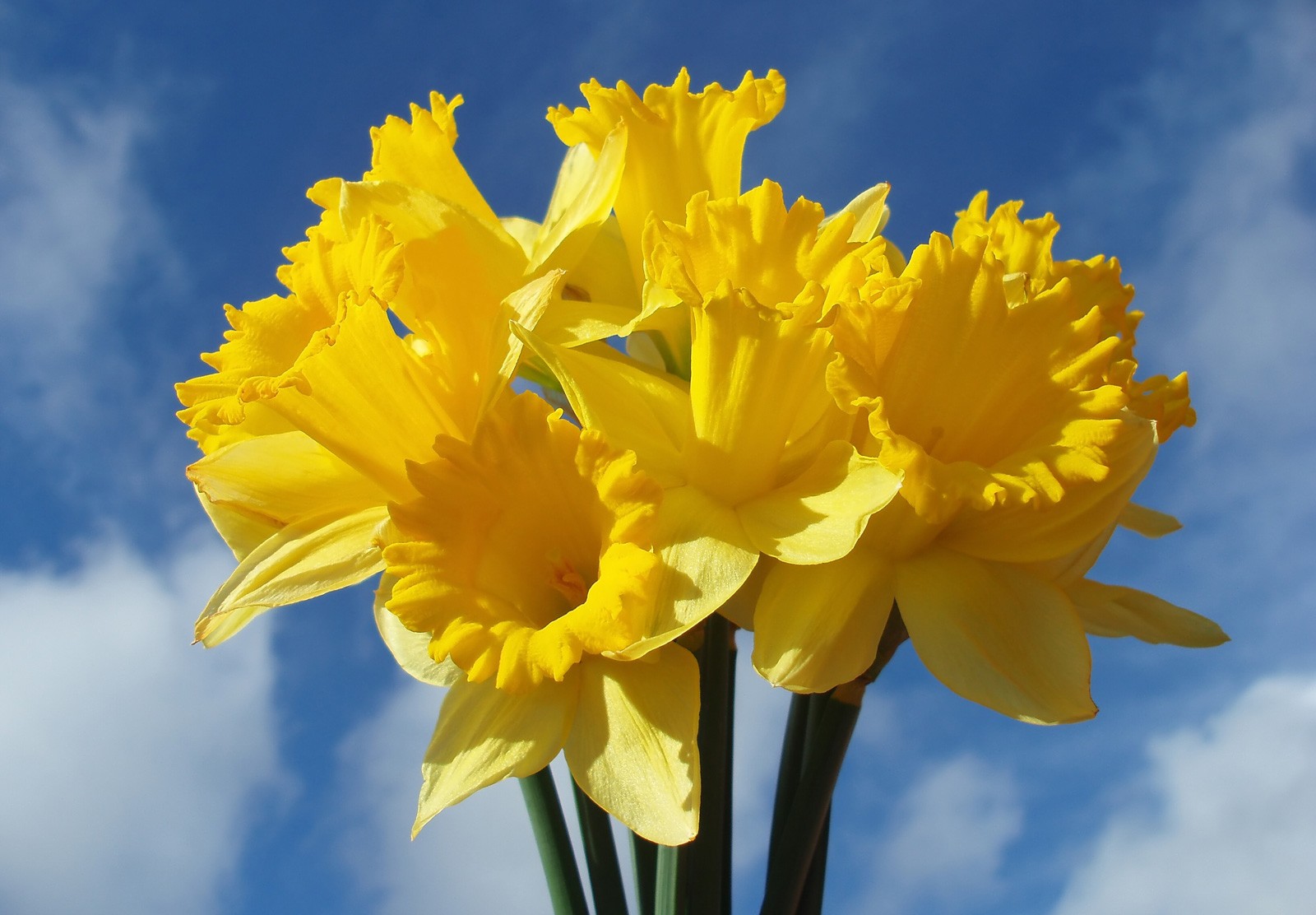
From deep dormancy comes one of nature’s most radiant promises: the daffodil. More than just a cheerful burst of yellow in early spring, this flower has long been revered across cultures as a potent symbol of profound spiritual cycles. It captures the universal human experience of moving from darkness into light, teaching us that every ending contains the promise of spectacular rebirth.
The daffodil’s life cycle—the slow emergence and vibrant bloom after the cold grip of winter—mirrors our own emotional journey. Spiritually, it acts as a brilliant reminder of resilience, optimism, and the inherent potential for joy to follow difficulty. To understand the meaning behind its petals is to open ourselves up to a deeper appreciation for personal growth and unwavering hope.
The Core Spiritual Interpretation: Cycles of Life and Rebirth
At its heart, the daffodil symbolizes the grand cosmic cycle itself—the continuous rhythm of life, death, and regeneration. Spiritually, this translates to emotional rebirth. Just as the plant must endure the harsh cold of winter before it can burst forth in glorious color, we too must pass through periods of perceived ‘winter’—grief, stagnation, or challenge—before achieving a fundamental breakthrough.
This concept moves beyond simple cheerfulness; it is about transformation. The act of blooming signifies that the old self, the dormant patterns, and the habits that kept us safe during the cold times must be shed for something vibrant and new. This rebirth isn’t instantaneous; it requires patience, nurturing, and the recognition that the hardest parts of the journey are often what lead to the most spectacular bloom.
Try a free compatibility tool
Check your zodiac compatibility
Compare two signs and see where the connection feels easy, intense, or surprising.
In esoteric terms, the daffodil is a powerful reminder that time is cyclical, not linear. When we feel trapped in a difficult moment, recognizing this natural rhythm—the inevitable return of warmth after frost—can anchor our spirit. It suggests that emotional difficulty is temporary, and the capacity for joy and growth is always inherent within us.
Soul Signal Quiz
What Message Is the Universe Sending You Right Now?
Take the 60-second Soul Signal Quiz and reveal whether this sign points to clarity, love, purpose, protection, or transformation.
Emotional and Energetic Meaning: Tuning into Daffodil Frequency
Connecting with the daffodil’s energy means cultivating a state of ‘joyful resilience.’ This isn’t simply feeling happy; it’s recognizing that happiness can be found *because* you have overcome difficulty. The daffodils teach us how to bounce back—the energetic capacity to absorb setbacks and use them as fuel for growth.
On an emotional level, the flower acts like solar energy for the spirit. It helps dispel the heavy mists of melancholy or depressive thought patterns. When we contemplate its bright yellow hue, we are asked to consciously shift our focus toward optimism—not a naive, surface-level hope, but a deep, well-earned belief in one’s own capacity to thrive.
Energetically, the daffodil frequency is uplifting and activating. It encourages us to reconnect with our inner joy, which often gets buried under layers of obligation or fear. This process requires emotional work: identifying what patterns are holding you back (the ‘winter’ cocoon) and having the courage to break free, even if the blooming process feels messy or vulnerable.
Common Interpretations Across Cultures and Traditions
The depth of the daffodil’s symbolism is best seen in its global cultural resonance. Different traditions draw unique lessons from this single flower, each reflecting a different aspect of the human spiritual journey.
Christian Symbolism: Resurrection and New Life
In Christian tradition, while sometimes associated with other spring flowers like the Easter Lily, daffodils embody the spirit of Resurrection. They symbolize Christ’s victory over death and the promise of eternal life. Furthermore, they are linked to the Season of Lent—a period of profound reflection and spiritual discipline. In this context, the daffodil reminds believers that true renewal requires sacrifice, self-examination, and a deep turning toward grace.
Greek Mythology: The Journey of Narcissus
The myth of Narcissus provides one of the most profound lessons: self-acceptance. Narcissus fell in love with his own reflection, unable to reconcile the perfect image with reality. When he perished by this inability, a daffodil bloomed where he died. This teaches us that true self-love and personal growth are found not through external validation (the idealized reflection), but through accepting our complex, flawed, and evolving inner selves.
Persian Culture: Nowruz and the Equinox
In Persian culture, daffodils hold sacred importance during Nowruz, the celebration of the spring equinox. Since this day marks the balance between light and dark—the moment when life definitively reasserts itself after winter—the daffodil is a central symbol. It represents not just the start of a new year, but the spiritual return to equilibrium, prosperity, and global renewal.
The Positive Gift: Hope, Clarity, and Optimism
The most universally recognized gift of the daffodil is hope. Spiritually, it serves as an unwavering reminder that no matter how bleak the current circumstances—the emotional winter—the light will return. This promise isn’t passive; it requires us to actively plant seeds of optimism within ourselves.
Furthermore, daffodils are associated with clarity of thought. They help cut through mental fog and indecision. When you feel overwhelmed by choices or clouded by negative thoughts, invoking the daffodil energy encourages a fresh perspective, allowing you to see the path forward with bright, clear vision. It is the gift of seeing potential where others only see struggle.
Warning or Shadow Meaning: The Fragility of Beauty
Like all potent symbols, daffodils carry a shadow meaning that requires mindful awareness. Their intense beauty and early bloom can sometimes symbolize the ephemeral nature of joy itself—the beautiful moments are fleeting. This warning is not meant to induce despair, but rather to encourage appreciation in the present moment.
The shadow side also cautions against *superficial* optimism. The daffodil teaches that true resilience is not about simply ‘feeling good’ after a crisis; it’s about integrating the lessons of the difficulty itself. If we bypass necessary deep, consistent work and only focus on the superficial joy of the bloom, we risk misunderstanding the depth required for genuine transformation.
Love and Relationships: New Blooms in Connection
In matters of love and relationships, the daffodil heralds a fresh start. It is often seen when a relationship moves past a period of struggle or emotional distance, initiating a phase of renewed affection and honest commitment. The yellow bloom speaks to the joy of rediscovered connection.
For those navigating post-breakup periods, the daffodil symbolizes the tender process of self-renewal within the context of loss. It reminds us that while the ending was painful (the winter), the new beginning—whether single life or a partnership—is infused with the potential for vibrant, authentic love.
Life Direction and Career: Blooming Into Purpose
When considering your path in career or life direction, the daffodil energy suggests a moment of breakthrough. If you have been stuck in professional stagnation or feeling creatively drained (the deep winter), the flower is an affirmation that the time for hibernation is over. It is time to deploy the energy and ideas that were nurtured during those quiet periods.
It guides individuals to embrace projects that require authentic passion, linking back to the concept of self-discovery drawn from the Narcissus myth. Your purpose may involve sharing light or encouraging others through their own difficult ‘winter’ seasons. The career path illuminated by this symbol is one built on natural vitality and consistent renewal.
What To Do: Spiritual Practices with Daffodil Energy
To harness the positive energy of the daffodil, incorporating mindful rituals can deepen your connection to its message of resilience. These practices help move the symbolic meaning from abstract thought into tangible spiritual action.
- Yellow Focus Meditation: Find a quiet space and hold or visualize a bright yellow daffodil. Close your eyes and focus on the color’s energy, visualizing it as pure, solar light. As you inhale, draw in feelings of hope and vitality; as you exhale, release any self-doubt or fear of the future. Repeat this cycle for ten minutes.
- The Blooming Journal: Keep a dedicated journal to track cycles. When you feel low or stagnant (the ‘winter’), write about it without judgment. As soon as you notice a shift in mood, idea, or routine (the first sign of bloom), record it immediately. This ritual tracks your own personal cycle of rebirth and reminds you that change is inevitable and good.
- Affirmation of Light: Daily repeat affirmations like, “I honor my cyclical nature; I know the darkness gives way to light,” or “My resilience blooms with every season.” This mental practice strengthens belief in continuous renewal.
Ordinary Explanation: The Botany and History of Daffodils
For those who approach symbolism from a grounded perspective, understanding the daffodils scientifically helps anchor their meaning. Botanically, the daffodil (Narcissus species) is characterized by its trumpet-shaped bloom emerging from a bulb. Its timing—being one of the earliest perennials to flower—is a natural phenomenon that has historically made it an unparalleled marker for spring and agricultural renewal.
Historically, besides their use in celebratory art, daffodils have been associated with medicinal interests due to compounds in the bulbs. This brings us to a critical safety note: while culturally potent, ingesting daffodil bulbs or any parts of the plant can be toxic. Therefore, when discussing healing, it is vital to remember that spiritual symbolism and physical health require separate attention; always consult qualified medical professionals for concerns about consumption or ingestion.
Summary Table: Daffodil Symbolism
| Aspect | Symbolic Meaning | Spiritual Lesson |
|---|---|---|
| Color (Yellow) | Joy, Sunshine, Friendship | Optimism and inner light. |
| Bloom Cycle | Rebirth, Regeneration | Accepting necessary endings for new growth. |
| Cultural Markers | Nowruz, Easter | The universal certainty of life returning after dormancy. |
Frequently Asked Questions About Daffodil Symbolism
What is the core meaning of daffodils?
At its core, the daffodil symbolizes hope and rebirth. It represents the spiritual assurance that even after the darkest times, rejuvenation and new beginnings are guaranteed.
How does color affect the spiritual meaning?
Yellow is associated with pure joy and solar energy. White emphasizes purity and high spirituality. Orange speaks to vibrant enthusiasm, while Pink suggests gentle affection and heartfelt communication.
Are there any spiritual warnings regarding the plant’s toxicity?
Yes. Because daffodils contain toxic alkaloids (like lycorine), it is crucial to maintain a mindful boundary between symbolic appreciation and physical interaction with the plant material. This serves as a constant reminder that even beautiful things require respectful handling.
Conclusion: Carrying the Light Forward
The daffodil’s enduring spiritual message transcends seasonal change; it is a profound commentary on the human spirit itself. It teaches us that life, despite its inevitable winters of struggle and dormancy, contains an intrinsic promise of brilliant light.
We are encouraged to carry this symbolism forward: recognizing our own capacity for cyclical renewal. Let the daffodil be your constant reminder that every painful ending is merely the necessary prelude to a spectacular new beginning. Embrace your resilience, trust in your inner bloom, and allow the steady, unwavering promise of light to guide you through life’s every season.
Your reading does not have to end here
Keep exploring your path
Try a free tool or continue into related meanings while the curiosity is still warm.
