



The cherry blossom, or *sakura*, is far more than just a beautiful floral spectacle; it is a profound spiritual metaphor. Its delicate bloom, which appears with such explosive beauty only to fall quickly, encapsulates the deepest paradox of the human experience: the sublime contrast between perfect beauty and inevitable transience. To contemplate the sakura is to engage in a quiet, deep conversation with the universal laws of life, change, and renewal.
This exquisite, ephemeral bloom serves as a spiritual mirror, reflecting not only the beauty of the present moment but also the inherent impermanence that governs every aspect of existence. It teaches us that value is not found in permanence, but in the intensity and grace with which we experience the passing moments. By understanding the spiritual language of the cherry blossom, we are invited on a journey of self-reflection—a contemplation aimed at cultivating mindful appreciation and inner resilience.
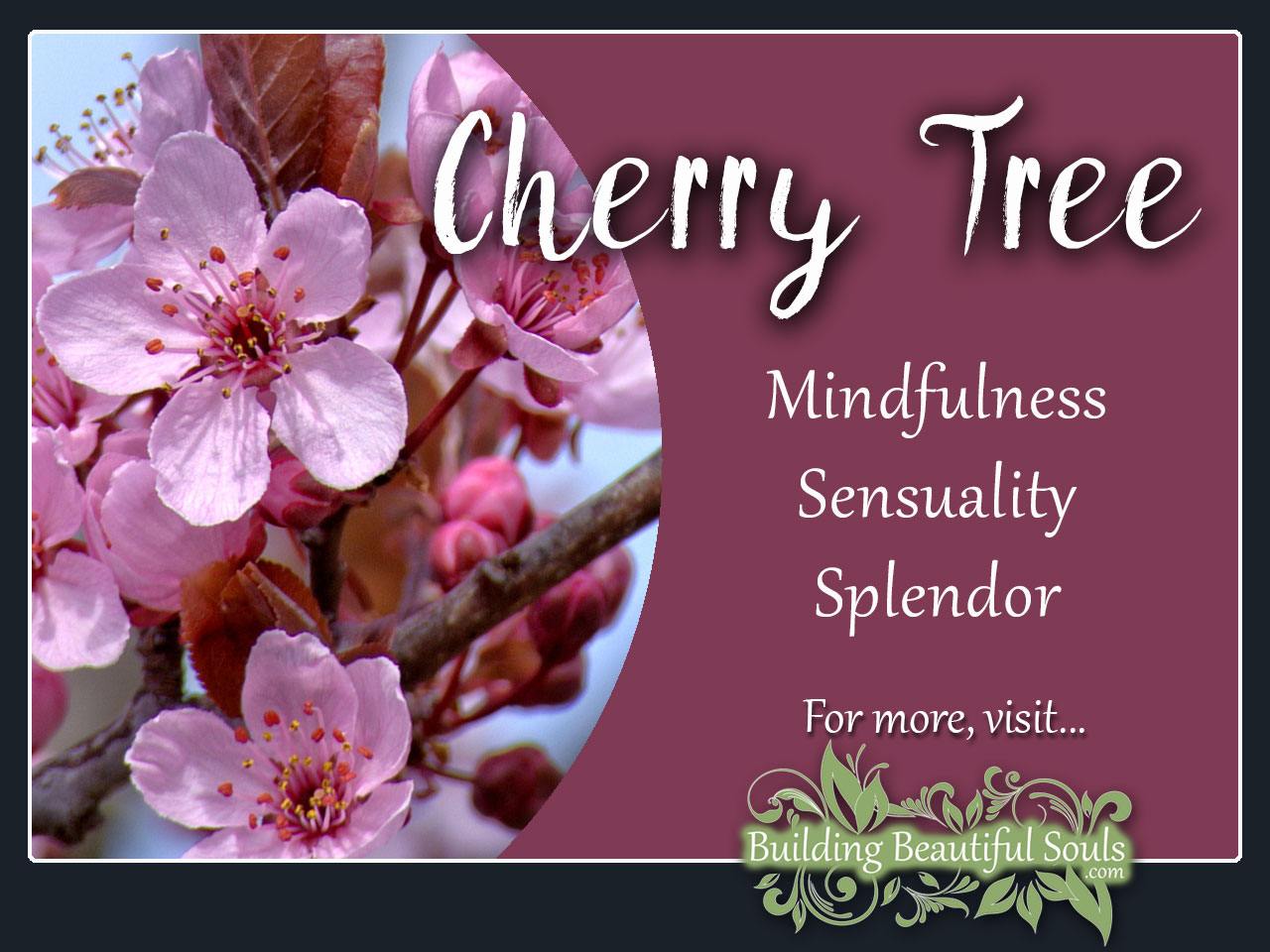
The Main Spiritual Meaning: Embracing Impermanence (Anicca)
At the heart of the cherry blossom’s spiritual wisdom lies the concept of impermanence. In Buddhist philosophy, this truth, known as *Anicca*, states that nothing remains the same, and nothing lasts forever. The cherry blossom is the most perfect, visible illustration of this law. Its flawless, vibrant bloom is breathtaking, yet it exists for a mere handful of days. This swift cycle is not a tragedy, but a profound spiritual gift.
To truly grasp this lesson means understanding that resistance to change is the root of much suffering. We often cling to beautiful moments, comfortable relationships, or perceived states of success, fearing the inevitable decline. The sakura gently reminds us that clinging is futile. By accepting that everything—our youth, our relationships, our jobs, even our emotions—is in a continuous state of becoming and passing away, we learn a radical form of freedom.
Try a free compatibility tool
Check your zodiac compatibility
Compare two signs and see where the connection feels easy, intense, or surprising.
This acceptance is the key to liberation. It shifts our focus from *preserving* the moment to *experiencing* the moment fully. Instead of mourning the falling petals, we learn to appreciate the perfect, ephemeral dance of the bloom. This spiritual shift transforms life from a series of anxious attempts to maintain a perfect status quo into a vibrant, accepting participation in the natural flow of existence.
Soul Signal Quiz
What Message Is the Universe Sending You Right Now?
Take the 60-second Soul Signal Quiz and reveal whether this sign points to clarity, love, purpose, protection, or transformation.
Emotional and Energetic Meaning: Cultivating Inner Harmony
On an energetic level, the cherry blossom acts as a powerful conduit for emotional recalibration. Its gentle, pastel pink energy is inherently soothing, helping to reset the nervous system and calm the emotional turbulence that comes with resistance and worry. When we connect with the symbolism of the sakura, we are invited to practice a form of emotional detachment—not a cold apathy, but a gentle, loving surrender.
This surrender involves releasing past grievances, unfulfilled expectations, and attachments that weigh down the spirit. Imagine the falling petals: they do not fight gravity; they simply yield to the earth. This act of ‘letting go’ is the emotional core of the bloom’s teaching. It encourages us to process grief and disappointment not as final endings, but as necessary seasonal transitions that clear the way for new, vibrant growth.
The energy of the bloom supports emotional balance by grounding us in the reality of the “now.” Instead of dwelling on the perfect beauty of yesterday (nostalgia) or the anxiety of tomorrow (worry), we are pulled back to the sensory richness of the current breath, the current sight, and the current feeling. This heightened sense of presence is the most powerful energetic healing tool we possess.
Common Interpretations Across Traditions
The universal message of transience is interpreted through diverse cultural lenses, demonstrating that the wisdom of the sakura transcends geographical borders. While the symbolism is global, its specific emphasis varies greatly, providing rich context for personal understanding.
Japan: Mono no aware and Hanami
In Japanese culture, the concept of *mono no aware*—often translated as “the pathos of things”—is the most profound spiritual takeaway. It is not simply sadness, but a gentle, poignant awareness of the beautiful sorrow inherent in the passing of all things. The practice of *Hanami* (flower viewing) is a communal meditation on this truth: gathering under the blossoms to appreciate their transient splendor together. It is a celebration of life’s delicate perfection, accepting its ending with grace.
Buddhism: The Cycle of Samsara
For Buddhists, the cherry blossom is a direct, visual metaphor for the cycle of *Samsara*—the continuous cycle of birth, life, death, and rebirth. The flower’s life cycle perfectly illustrates that existence is cyclical, requiring us to live without attachment to outcomes. The moment of full bloom reminds practitioners to achieve enlightenment (Nirvana) by transcending attachment to the fleeting material world.
Chinese Culture: Feminine Power and Grace
In China, the sakura is often associated with feminine beauty, purity, and grace. It symbolizes the delicate yet powerful nature of womanhood, encouraging the embrace of self-worth, natural femininity, and the ability to move through life with dignity, much like the petals drifting down.
Positive Meaning: The Power of Renewal and Resilience
The most uplifting lesson of the cherry blossom is its profound capacity to symbolize resilience. Consider the tree itself: it must endure the harsh, cold bite of winter—a period of seemingly lifeless dormancy—only to burst forth in an explosion of color. This journey from deep dormancy to vibrant bloom is a powerful metaphor for the human spirit.
It reassures us that struggle, difficulty, and periods of apparent emptiness are not meaningless. They are necessary precursors to growth. The blossom teaches that after every period of darkness, there is the inherent promise of renewal. This resilience is not merely surviving; it is thriving *because* of the struggle, emerging more beautiful and potent than before.
Spiritually, this means that every challenge you face—a job loss, a painful breakup, a health setback—is simply the winter necessary for your next phase of growth. The potential for beauty, for a fresh start, is always held within the seeds of experience.
Warning or Shadow Meaning: The Trap of Attachment
To maintain a balanced spiritual view, it is crucial to acknowledge the shadow side of the sakura’s lesson. The profound beauty and fleeting nature of the bloom can sometimes lead to a dangerous spiritual trap: the desperate attempt to stop time or prevent loss. This attachment is the shadow meaning.
The danger is that we might mistake the *memory* of the perfect bloom for the *reality* of the moment. We may become melancholic, fixating on what was beautiful but is now gone, leading to emotional stagnation. Alternatively, we might interpret impermanence as a license for apathy, believing that because everything fades, nothing is worth the effort. The spiritual challenge, therefore, is not just to appreciate loss, but to find the balance between appreciative melancholy and active engagement with life.
The goal is to move beyond the paralyzing sadness of transience and instead harness the energy of surrender, knowing that the cycle is always moving forward, and resistance only causes pain.
Love and Relationships: The Bloom of Connection
In the context of human connection, the cherry blossom speaks to the delicate, precious, and time-sensitive nature of love. It reminds us that deep connections, like the blossoms, require active, mindful appreciation while they are fully bloomed.
Love, like the sakura, is a gift that must be savored in the present. We cannot rely on the permanence of a relationship, nor should we. The spiritual lesson here is to cultivate a radical presence with our loved ones. Instead of taking the comfort and presence of a partner for granted, we are called to notice the small details: the shared laugh, the quiet morning ritual, the simple act of being together. These are the moments that are most fleeting and therefore the most valuable.
The sakura encourages us to approach relationships with an open heart, understanding that they, too, will undergo seasons of growth, bloom, and necessary retreat. This acceptance allows us to build love based on mutual appreciation rather than fearful dependency.
Life Direction and Career: Blooming in Your Calling
Career paths and life direction are rarely linear; they are, by nature, cycles of blooming and wilting. The cherry blossom provides a powerful metaphor for professional life: growth requires accepting endings.
When facing a job change, a career pivot, or the end of a successful chapter, the symbolism of the sakura reminds us that this ending is not a failure, but a necessary pruning. Just as the tree must shed old leaves to prepare for new buds, we must release old roles, outdated skills, or limiting identities to make room for our next blooming phase. The spiritual lesson is to practice detachment from the *title* or the *success* itself, and instead focus on the continuous, vibrant process of self-development.
Embracing this cyclical view helps reduce the fear of failure, reframing professional setbacks as temporary detours rather than defining defeats. It calls us to find joy and meaning in the journey, not just the final, glorious bloom.
What To Do: Spiritual Practices for Bloom
To integrate the wisdom of the cherry blossom into daily life, we must move from theory to practice. These actionable steps help ground the vast spiritual concepts of impermanence and renewal.
1. Mindful Appreciation Meditation: Find a moment—perhaps looking at a picture of cherry blossoms or simply noticing a natural bloom—and dedicate five minutes to pure, non-judgmental observation. Notice the colors, the scent, the way the petals fall. As you observe, repeat the mantra: “This too shall pass, and this too shall begin.” This practice anchors you in the present moment.
2. The Letting Go Journal: Whenever you feel attachment, stress, or resistance regarding a specific person or situation, dedicate a page in your journal to the concept of release. Write down what you are holding onto (the grievance, the expectation, the past hurt). Then, physically tear out the page or burn the paper (safely) as a symbolic act of letting go. Visualize the petals falling from your heart, symbolizing the release of that emotional weight.
3. The “Bloom Challenge” Prompt: Daily, identify one thing that you normally take for granted—a quiet morning, a functioning piece of technology, a supportive friend. Dedicate genuine, focused gratitude to that single thing. This trains your mind to find beauty in the ephemeral, deepening your capacity for appreciation.
Ordinary Explanation: The Science and Culture of the Bloom
For those who seek a more grounded understanding, the cherry blossom’s impact can be analyzed through biological and psychological lenses, which only reinforces its deep cultural significance.
Botany and Biology: From a scientific perspective, the rapid, synchronized blooming of *sakura* is a remarkable display of biological efficiency. The bloom cycle is triggered by specific temperature shifts and photoperiodism, making its beauty a predictable, yet constantly anticipated, seasonal event. The short life span is a natural survival strategy, maximizing reproductive opportunity in a limited window. This biological reality mirrors the cyclical nature of life—a burst of intense energy followed by necessary rest.
Psychology and Culture (Hanami): The cultural practice of *Hanami* (flower viewing) is not just about seeing flowers; it is a highly sophisticated cultural ritual of communal mindfulness. Historically, these festivals provided a necessary pause from the harsh realities of life, allowing people to gather, share food, and participate in a collective, temporary celebration of beauty. Psychologically, this communal experience fosters belonging, which is a fundamental human need, grounding the spiritual meaning in tangible social connection.
Frequently Asked Questions
What is the primary spiritual meaning of the cherry blossom?
The core meaning is the acknowledgment of impermanence. It teaches that life is beautiful precisely because it is fleeting. The spiritual lesson is to live fully in the present moment, appreciating the transient nature of all things.
How does the cherry blossom relate to the concept of impermanence?
It is the perfect visual aid for impermanence. Its spectacular, brief bloom serves as a constant, gentle reminder that nothing—joy, sorrow, beauty, or pain—lasts forever. This realization is key to emotional freedom and acceptance.
What is ‘Hanami’ and why is it important?
*Hanami* is the traditional Japanese practice of appreciating the cherry blossoms. It is a cultural ritual that transforms the aesthetic act of viewing into a collective, spiritual act of mindfulness, celebrating the passing season and connecting community members through shared beauty.
What is the spiritual difference between Sakura and Plum Blossom?
While both are symbols of renewal, the plum blossom (*ume*) often symbolizes resilience, strength, and enduring purity because it blooms in the late winter, before the spring warmth. The cherry blossom (*sakura*) is more strongly associated with the transient, perfect, and gentle beauty of life itself.
Conclusion: Blooming into Presence
The cherry blossom is not merely a beautiful seasonal spectacle; it is a profound, living teacher. It speaks to us with the quiet certainty of a gentle breeze, reminding us that the greatest gift of life is its constant, glorious change. By embracing the paradox of its beauty and its brevity, we learn that our deepest peace comes not from resisting the inevitable flow, but from surrendering to it.
May the spirit of the sakura inspire you to live with a heightened sense of gratitude for the present moment. Embrace the cycle of blooming, and accept the graceful surrender of the falling petals. For in the beauty of impermanence, we find the deepest, most enduring truth of our own resilient and beautiful lives.
Your reading does not have to end here
Keep exploring your path
Try a free tool or continue into related meanings while the curiosity is still warm.
