



The concept of the wilderness—the desolate expanse, the barren land—is perhaps one of the most profoundly resonant themes in human spiritual experience. For many, the word evokes images of emptiness, danger, and profound isolation. Yet, in biblical literature, the wilderness is rarely depicted merely as a geographical void. Rather, it functions as a powerful, sacred crucible—a state of being, a period of transition, and a divinely appointed classroom where the deepest truths about humanity and the divine are revealed.
Throughout the scriptures, from the wandering of the Israelites to the testing of Jesus Christ, the wilderness represents a radical removal from comfort, routine, and established certainty. It is a space stripped down to essentials, forcing individuals and communities to confront their deepest vulnerabilities, their most persistent idols, and their fundamental reliance on a power greater than themselves. Understanding this symbolism requires moving beyond the literal landscape and viewing the wilderness as a metaphor for any season of life marked by uncertainty, loss, or profound questioning.
Note: This article is for informational and spiritual reflection only. It is not a substitute for professional theological, pastoral, or mental health counseling.
Biblical Symbolism and Themes
The biblical usage of the wilderness is rich and multifaceted, generally coalescing around three primary, interconnected functions: Testing, Revelation, and Renewal. These functions illustrate that the difficulty of the journey is inseparable from the depth of the learning.
Try a free compatibility tool
Check your zodiac compatibility
Compare two signs and see where the connection feels easy, intense, or surprising.
The Wilderness as a Place of Testing and Temptation
One of the most common interpretations is that the wilderness serves as a testing ground. In this capacity, it represents the inevitable trials and temptations that challenge human will and belief. The Israelites’ forty years in the desert are the quintessential example; they were not simply wandering, but undergoing a continuous test of their communal faith, requiring them to constantly choose trust over complaint. Similarly, the temptation of Jesus in the desert showcased the limits of human strength when separated from divine support.
In this sense, the wilderness exposes the subtle weaknesses—the tendency toward grumbling, the desire for immediate gratification, or the reliance on visible comforts. The test is designed to reveal the true source of strength: whether it resides in earthly provision or in divine promise. It forces a confrontation with the self, compelling the individual to ask: “Who can I truly rely on when all human supports are removed?”
The Wilderness as a Place of Revelation and Encounter
Paradoxically, the desolation that tests us is also the space where God reveals Himself most clearly. When the familiar structures of civilization and comfort are removed, the noise of the world fades, making room for the quiet voice of the divine. This is the sacred nature of the wilderness encounter. Moses, for instance, received the law and the divine covenant in the dramatic setting of the burning bush—an encounter impossible to stage in the safety of a city.
It is in these moments of profound isolation that God meets humanity on its own terms, revealing His power, His plan, and His enduring love. The wilderness thus becomes a sanctuary for divine communication, a place where humanity is forced into intimacy with the Creator. It demands stillness, attentiveness, and a willingness to listen for the “still small voice.”
The Wilderness as a Symbol of Spiritual Growth and Renewal
The ultimate purpose of the wilderness is transformation, or renewal. It is not merely a waiting period; it is an active process of spiritual refinement. The goal is to move the individual from a state of dependence on self (self-sufficiency) to a state of profound dependence on God (humility). The desolation is the means by which the ego is gently but firmly dismantled. The person who emerges from the wilderness is fundamentally different: purified, wiser, and equipped not just to survive, but to lead a new life toward a promised fulfillment.
Soul Signal Quiz
What Message Is the Universe Sending You Right Now?
Take the 60-second Soul Signal Quiz and reveal whether this sign points to clarity, love, purpose, protection, or transformation.
Scripture Themes and Caution
The lessons drawn from the wilderness are not just historical anecdotes; they embody timeless spiritual principles. Three core themes emerge repeatedly: perseverance, humility, and the necessity of communal faith.
The Theme of Perseverance and Endurance
The struggle through the wilderness teaches endurance. It is a slow, deliberate lesson in patience. Spiritual growth does not happen in a flash of revelation; it is often a grueling, day-by-day march of faith. The biblical narrative consistently reminds believers that the journey of faith requires grit and the ability to keep moving even when the promised destination seems impossibly far away. Perseverance, therefore, is not just enduring the hardship, but maintaining the *expectation* of God’s eventual faithfulness.
The Theme of Humility and Dependence
The wilderness serves as the great leveler. It strips away status, wealth, and intellectual certainty. When we are reliant only on the provision of the Creator—a simple manna each morning, a pillar of cloud at night—we are forced into radical humility. This deep realization of human frailty is the precursor to true spiritual wisdom, shifting the focus from “what I have” to “who has provided for me.”
The Necessary Caution: Distinguishing Test from Punishment
It is crucial, however, to approach the theme of struggle with caution and discernment. While the wilderness symbolizes divine testing, it is vital to distinguish between a divinely guided spiritual refinement and random, destructive suffering. Not every hardship encountered in life is a purposeful test from God. The spiritual understanding must always be tempered by wisdom, recognizing that life includes tragedy, injustice, and suffering that exists outside of a clear divine plan. The goal of struggle, therefore, is not merely endurance, but the pursuit of wisdom and the ability to discern the source and purpose of pain.
Positive Meaning
The positive outcomes of enduring a spiritual wilderness are profound and life-altering. These are the gifts found in the desolation, gifts that cannot be taught in comfort or abundance.
- Deepened Trust (Faith over Sight): The wilderness forces a shift in perspective from trusting what the eye sees (a clear path, visible resources) to trusting what is promised (God’s character, divine faithfulness). This is the ability to walk by faith, not by sight.
- Clarity and Prioritization: When resources are scarce, priorities become brutally clear. Earthly desires that seem vital in comfort (luxury, status, endless consumption) often fade away, revealing that true sustenance comes from relationship and spirit.
- Authentic Self-Knowledge: The desert is the place where the mask falls away. It allows the individual to encounter their true character—their fears, their deepest loyalties, their hidden strengths—under the intense pressure of necessity. This self-knowledge is foundational to mature spiritual stewardship.
Warning or Cautionary Meaning
While the wilderness is a space for growth, it carries inherent risks if approached with the wrong mindset. Several warnings are necessary to ensure that the journey remains constructive and safe.
First, one must guard against **spiritual fatalism**. Simply enduring suffering does not equate to spiritual growth. If one mistakes hardship for divine will, they risk resigning themselves to victimhood rather than engaging in active faith and discernment. The goal is not simply to *survive* the wilderness, but to *learn* from it.
Second, beware of **isolation as an idol**. While solitude is necessary for revelation, prolonged, unguided isolation can lead to despair and spiritual tunnel vision. The wilderness also teaches the vital lesson of community; the Israelites, for example, survived not through individual strength, but through collective obedience and mutual care. True spiritual resilience is communal.
Historical and Cultural Context
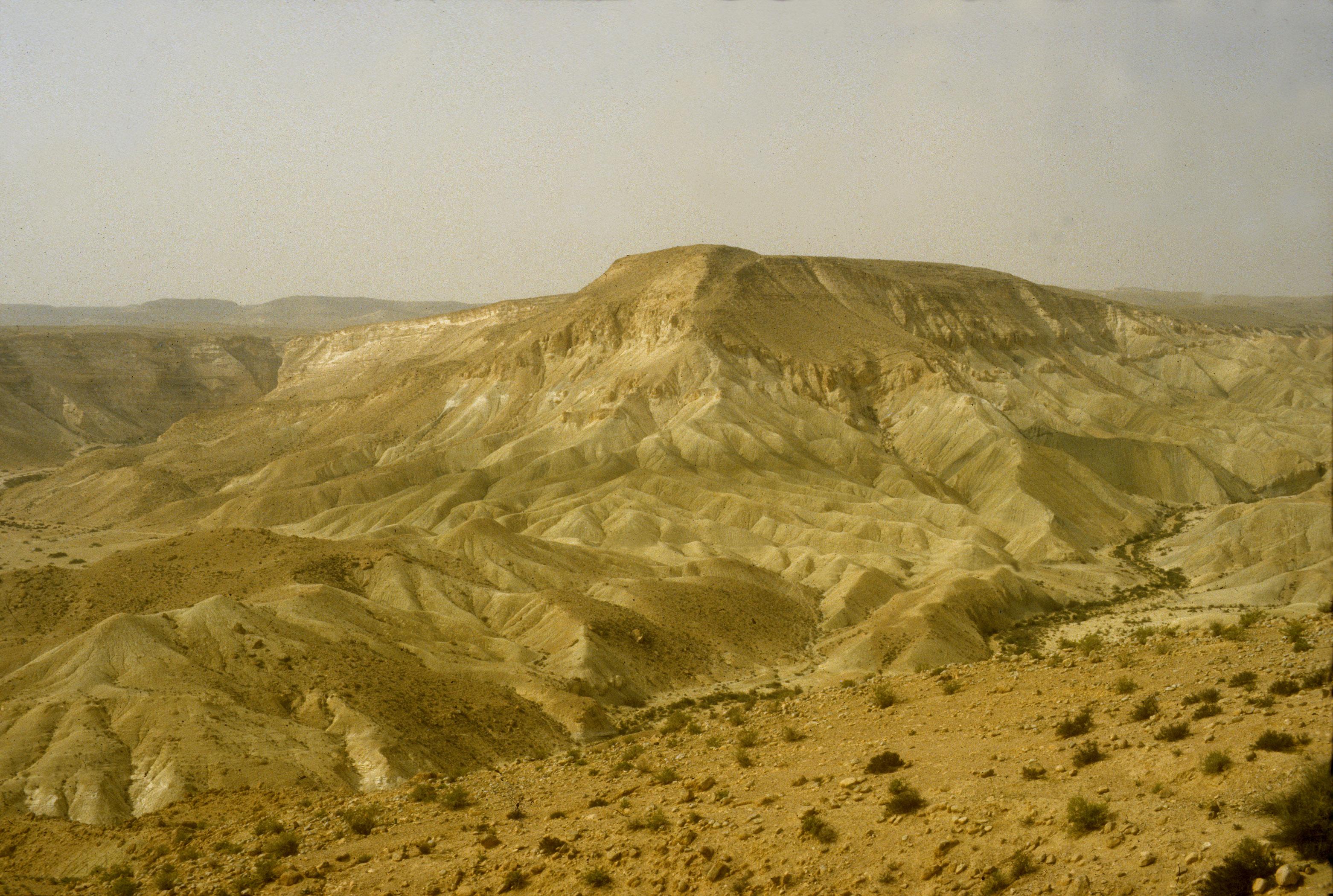
To ground this symbolism, it is helpful to examine the historical reality of the biblical desert. The geography of the Near Eastern wilderness was characterized by extreme aridity, unpredictable resource scarcity, and intense environmental stress. These realities profoundly shaped the culture and the psychology of the people who lived there.
From an anthropological perspective, life in such an environment necessitated highly structured communal living, meticulous resource management, and an acute awareness of the immediate environment. The physical struggle for water and sustenance was a constant, visceral reality. This harsh context provided the perfect backdrop for the symbolic meaning: when survival itself is a daily struggle, the ultimate source of provision—God—becomes the central focus of existence. The memory of these physical struggles, the constant struggle to remember water sources or safe paths, imbued the wilderness with a powerful, immediate meaning of divine provision.
Practical Spiritual Reflection
If we view our modern lives through the lens of the biblical wilderness, we realize that “wilderness” is a metaphor for any period of transition, disruption, or loss. This could manifest as professional failure, navigating grief, a relationship breakdown, or a sudden identity crisis. These periods, though painful, are the sacred seasons of deconstruction, where the old self, built on worldly certainties, must be dismantled to make room for a new, God-given reality.
The challenge in the modern wilderness is that the “resources” are not manna, but information, distraction, and constant connection. The temptation is to fill the void with busyness, consumption, or external validation. The spiritual task, therefore, is to intentionally embrace the quiet, the ambiguity, and the stillness. It requires a conscious shift from asking, “Why is this happening to me?” to asking, “What is God preparing me for through this?” This shift transforms suffering from a meaningless event into a sacred curriculum.
To navigate a personal wilderness, one can adopt spiritual disciplines that mirror the practices of the desert hermits and prophets. These are practical, actionable steps designed to foster deep communion with the divine:
- Intentional Solitude: This is more than just being alone; it is the *intentional separation* from the noise and demands of the world. It involves scheduling time away to confront thoughts, emotions, and questions without distraction.
- Fasting (Informational and Physical): Fasting, whether from food or from media/social interaction, is a powerful tool for spiritual focus. It practices the discipline of withdrawal, teaching the mind to find satisfaction and truth in fewer inputs, thereby heightening the ability to hear God’s quiet guidance.
- Reflective Journaling: Writing is a form of spiritual excavation. By writing down fears, questions, and moments of grace, the individual externalizes the chaos, allowing for objective processing and making the emotional wilderness manageable.
Frequently Asked Questions
What is the biblical meaning of the wilderness?
In biblical symbolism, the wilderness is rarely viewed merely as a barren place. Rather, it is understood as a sacred “crucible”—a state of being or a period of intense transition. It represents a radical removal from comfort and routine, serving as a divine classroom where individuals are forced to confront their deepest vulnerabilities and learn to rely entirely on a power greater than themselves.
Is the wilderness a punishment or a divine opportunity?
The prevailing biblical view is that the wilderness is not primarily a punishment, but an intentional, divinely guided passage. While hardship can feel punitive, the spiritual purpose is refinement. It is a space designed to strip away self-reliance, dismantle the ego, and cultivate profound humility and dependence on God’s faithfulness, ultimately preparing the soul for a richer life.
How can I apply the lessons of the wilderness to my modern life?
We can view any period of profound struggle—such as grief, professional loss, or relationship breakdown—as a modern “wilderness.” The spiritual lesson is to intentionally embrace the quiet, the ambiguity, and the stillness. Instead of trying to fill the void with distraction, the practice is to shift the question from “Why is this happening?” to “What is God preparing me for through this?”
What is the ultimate spiritual goal of going through a spiritual wilderness?
The ultimate goal is transformation and renewal. The wilderness challenges us to move from self-sufficiency (relying on what we have) to radical dependence (relying on who God is). By surviving the desolation, the individual learns to trust what is promised (God’s character) rather than what is visible (earthly resources), resulting in deep, unshakeable faith.
Conclusion: Embracing the Journey
The biblical wilderness, in its profound symbolism, teaches us that difficulty is not an absence of God, but often the most direct path to an encounter with Him. It reminds us that our deepest growth rarely occurs in the fields of comfort, but in the barren, challenging expanse of uncertainty.
Therefore, let us approach our current seasons of struggle—our personal deserts—not with fear, but with anticipation. Let us view them as sacred passages, divinely appointed times for purification, where we are invited to shed the unnecessary layers of self-reliance and discover the foundational, unshakable truth: that our greatest strength comes not from our own ability to endure, but from our radical, humble dependence on a faithful Creator.
Your reading does not have to end here
Keep exploring your path
Try a free tool or continue into related meanings while the curiosity is still warm.
