



For centuries, humanity has been fascinated by the symbolism of smoke—a transient element that rises from solid matter into an invisible expanse. In a spiritual context, the scent or sight of smoke can evoke profound questions about divine activity, human sinfulness, and the nature of God’s presence on Earth. When exploring the biblical meaning of smelling smoke, one must recognize that its interpretation is deeply contextual, drawing upon specific events and narratives within sacred scripture.
The Bible contains numerous references to fire, smoke, and aromatic scents, suggesting that these elements are not merely descriptive but function as powerful symbolic markers. These symbols help convey complex theological ideas—such as covenant promises, purification rituals, or impending judgment—in ways that transcend simple physical reality. Understanding this symbolism invites readers into a deeper study of biblical narrative, encouraging reflection on how God communicates His will and power through seemingly ephemeral signs.
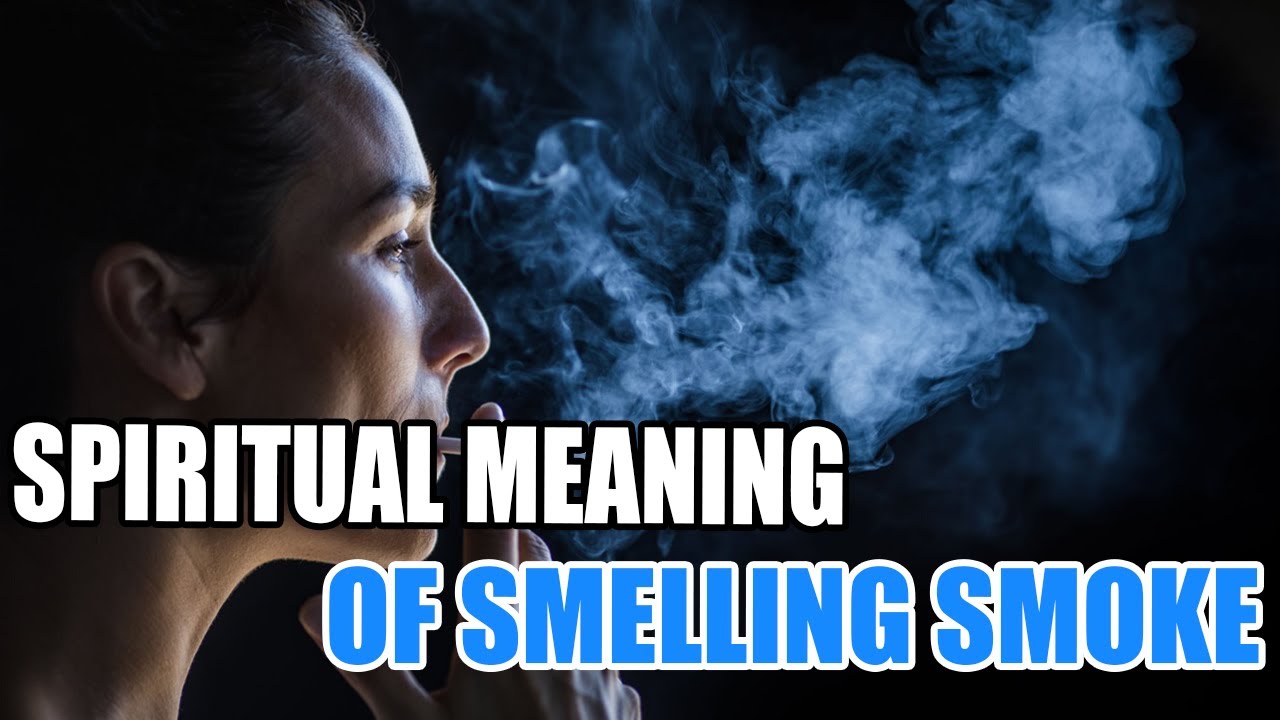
Note: This article is for informational and spiritual reflection only. It is not a substitute for professional theological, pastoral, or mental health counseling. Spiritual discernment requires prayer, study of scripture, and the guidance of mature Christian counsel.
Biblical Symbolism and Themes
The Manifestation of Divine Presence (Covenant)
One of the most recurring and consistently positive symbolic uses of smoke in the Old Testament is its association with God’s immediate presence. Smoke, or more often a cloud accompanying fire, serves as a visible marker that distinguishes the sacred space from the profane. When narratives describe God meeting with humanity—such as at the location of the Ark of the Covenant or during pivotal covenants—the divine glory is frequently associated with smoke and clouds.
Try a free compatibility tool
Check your zodiac compatibility
Compare two signs and see where the connection feels easy, intense, or surprising.
In biblical symbolism, this manifestation suggests that where the cloud or smoke rested, God’s covenant promise was active and tangible. This element invites reflection on how God’s grace dwells among His people. The persistence of this symbol reminds believers that God’s presence is not static; it moves, reveals itself, and requires human acknowledgement and reverence. It speaks to the sacred nature of dwelling in God’s space.
Purification and Atonement (The Sweet Aroma)
A different, but equally significant, symbolic use involves sweet-smelling smoke, most famously associated with burnt offerings and incense. The act of burning fragrant material was ritually linked to purification and the concept of atonement—the covering or reconciliation of sin before God. When offerings were burned, the resulting aroma was considered a pleasing scent to the Lord.
This symbolizes the necessary process of spiritual cleansing. Sin is often depicted as separating humanity from God, but through ritual acts representing repentance (like the burning sacrifice), the smoke carries the prayers and atonement back up to heaven. The sweet aroma thus represents reconciliation, forgiveness, and a renewed relationship with the Creator. It teaches that moving toward God requires acknowledging sin and participating in spiritual cleansing.
Warning and Judgment
Conversely, smoke is also powerfully used as a symbol of divine judgment or impending warning. When great sin accumulates—whether within a city or a nation—the biblical narrative sometimes uses the imagery of consuming fire and rising smoke to signal God’s displeasure (such as in accounts related to Sodom). In this context, the smoke is not fragrant; it carries the weight of consequence.
The smoky haze thus serves as a powerful visual warning sign. It reminds believers that sin has consequences and that spiritual life requires constant vigilance. The symbolism encourages humility and repentance, urging individuals to examine their own hearts before judgment or divine discipline arrives.
Soul Signal Quiz
What Message Is the Universe Sending You Right Now?
Take the 60-second Soul Signal Quiz and reveal whether this sign points to clarity, love, purpose, protection, or transformation.
Scripture Themes and Caution
Discernment in Biblical Symbols
A crucial theological principle when interpreting any biblical symbol—including smoke—is the absolute necessity of context. A symbol’s meaning is never isolated; it must be read alongside the surrounding narrative, characters’ actions, and divine pronouncements. Therefore, simply smelling smoke does not automatically grant a definitive spiritual interpretation. The reader must engage in deep discernment, asking: What covenant was being established? Whose sin was being addressed? And what action did God command?
This principle cautions against the practice of assigning universal, predictive meanings to transient signs. Instead, it directs the believer toward recognizing patterns of divine faithfulness (covenants) and calls for continuous spiritual awareness regarding ethical living and righteous stewardship.
The Importance of Covenant Fidelity
Across multiple biblical passages, smoke is woven into the fabric of God’s covenant relationship with humanity—from the promise made to Abraham onward. The enduring presence suggested by the cloud (which often involves smoky elements) symbolizes God’s faithfulness despite human frailty. This theme emphasizes that divine promises are reliable and persistent, serving as an anchor point for faith.
The smoke here represents the continuity of God’s character—His willingness to meet humanity at its lowest points and uphold His promises even when Israel or any believer falters. It encourages trust in God’s unchanging nature.
Positive Meaning
Guidance, Illumination, and Guidance
On a positive level, the symbolic emergence of smoke can represent guidance and illumination. When a journey or life phase is shrouded in confusion, the appearance of a clear path—sometimes symbolized by light through smoke or mist—invites reflection on God’s provision for direction. It suggests that even when visibility is low, divine oversight remains.
This positive interpretation encourages believers to remain spiritually alert and receptive. The gentle ascending nature of rising smoke often symbolizes prayers being lifted up heavenward, representing the ascent of praise and gratitude toward the Divine source.
Renewal and New Beginnings
In passages concerning restoration (like those following a period of exile or judgment), the elements of fire and fragrant smoke are frequently used to herald new beginnings. This symbolizes spiritual rebirth—the process by which sin is burned away, making way for fresh grace. The sweet aroma becomes synonymous with covenant renewal.
For the believer, this deepens the understanding that every period of cleansing or difficulty is ultimately an opportunity for God to work a profound renewal, leading to a deeper walk in spiritual intimacy and maturity.
Warning or Cautionary Meaning
The Necessity of Repentance
When smoke symbolizes judgment, it carries with it a powerful message about the necessity of repentance. The imagery serves as a gentle, yet firm, warning: sin creates distance between humanity and God’s presence. Recognizing this symbolic danger is not meant to induce fear, but rather deep spiritual self-examination.
It is a call to immediate action—a turn away from unconfessed sin and back toward the path of righteousness. The smoke acts as a mirror, reflecting our own moral state back to us, urging humility before God’s holiness.
Spiritual Vigilance
Furthermore, the symbolic use of smoky elements can remind believers of spiritual vigilance. Life is depicted in scripture as a continuous battle between light and darkness (or spirit and flesh). The warning inherent in smoke reminds us that we must be watchful, guarding our thoughts, actions, and relationships against compromises or influences that dull our connection to God.
This theme encourages active participation in the life of faith—being “awake” and ready to walk in the light, rather than allowing spiritual slumber or distraction to take root.
Practical Spiritual Reflection
Cultivating Discernment Over Interpretation
Instead of focusing on the literal interpretation of a physical phenomenon like smelling smoke, the deeper reflection lies in cultivating spiritual discernment. When faced with life events that are confusing, unclear, or unsettling (the “smoke” of uncertainty), the believer is prompted to pause and seek wisdom.
This practical step involves turning away from quick, emotional interpretations and instead grounding oneself in established biblical truth—the Word of God—and seeking counsel from mature spiritual mentors. Discernment is a discipline that requires prayerful silence and dedicated study.
The Discipline of Prayer
Since the sweet aroma symbolizes prayers ascending to heaven, smelling such an aroma (or reflecting on it symbolically) encourages the believer to elevate their own prayers. It reminds us that our petitions are valuable and potent in God’s sight. This calls for structured prayer—not just asking for things, but offering praise, confession, and deep thanksgiving.
The goal is not merely to *receive* guidance, but to become a vessel of gratitude and worship, ensuring that one’s life itself becomes the fragrant offering to God.
Historical and Cultural Context
Sensory Experience and Memory
From a purely non-spiritual perspective, the powerful link between smell, memory, and emotion is well-documented in psychology. The sense of smell often has an immediate and profound connection to our past experiences—a phenomenon known as Proustian memory. When people describe smelling smoke, they are engaging a deep sensory mechanism that can trigger intense emotional or even historical recall.
In this grounding context, the physical experience of smoke is simply triggering complex neural pathways related to fire, safety, or specific memories (like burning wood on a hearth). Understanding this helps differentiate between physical stimuli and spiritual symbolism, acknowledging the power of human sensory processing in our daily lives.
Cultural Significance of Aroma
Across various ancient cultures, aroma and smoke have always been associated with status, ritual purity, and communication. In many societies, specific scents were reserved for royalty or religious leaders. This cultural practice underscores humanity’s inherent need to categorize and symbolize the sacred versus the mundane.
Historically, the use of incense was not solely a religious rite but also an economic one—a trade in rare, valuable resins and oils. Understanding this intersection of commerce, culture, and ritual helps illustrate how deeply human societies have intertwined material value with symbolic meaning when interacting with concepts of divinity.
Frequently Asked Questions
In biblical context, smoke is a highly versatile symbol that can represent several profound themes. Most commonly, it symbolizes God’s manifest presence or covenant promise; it can represent purification and atonement through sweet incense; and conversely, when acrid, it may warn of sin or impending judgment.
If I smell smoke, does that automatically mean God is near?
While the cloud or smoky haze often accompanies God’s visible presence in biblical narratives (suggesting a covenant meeting), interpreting a physical scent as automatic confirmation of divine proximity is cautioned against. Instead, it should prompt deep spiritual reflection and encourage believers to focus on established scriptural truths regarding God’s faithfulness.
How can I discern if the smoke smell is spiritual or merely physical?
The most critical principle is context. When faced with an unclear sign, the primary action is not interpretation, but disciplined study of scripture and prayerful silence. Discernment requires grounding oneself in established biblical narrative rather than relying on isolated sensory experiences. Always seek counsel from mature spiritual mentors.
What is the difference between sweet-smelling incense smoke and warning smoke?
The aroma dictates the meaning. Sweet, fragrant smoke (like that of burnt offerings) symbolizes atonement, forgiveness, reconciliation, and God’s acceptance of repentance. Conversely, smoky haze associated with judgment or sin carries a weight of consequence, serving as a powerful, non-fragrant warning sign to examine one’s heart.
Conclusion
The biblical symbolism surrounding smoke is richly layered, serving to communicate foundational truths about God’s holiness, humanity’s need for repentance, and the nature of covenant relationship. Whether symbolizing the glory of presence, the cleansing grace of atonement, or a warning against sin, the symbol always directs attention toward an ongoing conversation between Creator and creation.
Ultimately, smelling smoke in a spiritual context should encourage deep humility, prompt rigorous self-examination, and strengthen the discipline of prayer. It is less about predicting what will come and more about reminding us to live presently—in a state of watchful grace, constantly reflecting on God’s faithfulness and the necessity of our own continuous repentance.
Your reading does not have to end here
Keep exploring your path
Try a free tool or continue into related meanings while the curiosity is still warm.
