


When examining any ancient text through a modern lens, we often search for direct, literal instructions. However, biblical symbolism is rarely meant to be taken as mere magic or prophecy; rather, it functions as a profound metaphor—a language used by divine messengers to illuminate spiritual truths about human nature and God’s character. The symbol of the rod is one such powerful signifier.
Far from being simply a piece of wood, the rod carries immense symbolic weight in scripture. It has been interpreted across generations as representing not just raw power or military strength, but a deeply nuanced blend of authority, protective guidance, necessary discipline, and ultimate sovereignty. Understanding this symbolism requires us to look beyond its physical form and explore the multifaceted ways it speaks to our journey toward spiritual maturity.
Note: This article is for informational and spiritual reflection only. It is not a substitute for professional theological, pastoral, or mental health counseling.
Biblical Symbolism and Themes
The Authority of Leadership and Guidance
At its most visible level, the rod symbolizes authority. In ancient cultures, staffs and rods were ubiquitous; they served as walking aids, indicators of status, and tools for law enforcement or shepherding. Biblically, this physical function quickly elevates into a spiritual metaphor. When figures like Moses are presented with a rod, it is not merely a prop; it becomes an extension of divine mandate.
Try a free compatibility tool
Check your zodiac compatibility
Compare two signs and see where the connection feels easy, intense, or surprising.
The most dramatic example is the parting of the Red Sea. Here, the rod represents more than just miraculous power—it symbolizes God’s sovereign ability to create passage where none existed and to provide safety in moments of extreme peril. The authority conveyed by the rod thus reflects not human might, but divine intervention designed to liberate and protect a people. In this context, leadership itself is shown to be an act of stewardship gifted by God.
Discipline as Spiritual Shaping
A second, equally critical dimension of the rod relates to discipline. When we discuss spiritual discipline, it is vital to move past the common misconception that “discipline” means harsh punishment. In a theological sense, discipline (or correction) is fundamentally an act of deep love—the way a parent guides a child toward righteousness. The rod symbolizes the firm boundaries necessary for character formation.
Biblical wisdom literature often uses this imagery to teach the importance of structure and accountability. This concept suggests that while freedom is sacred, true spiritual freedom requires intentional shaping. The “rod” here represents the challenging, sometimes uncomfortable, counsel or correction needed from a mentor, parent, or even God himself, all aimed at driving away error and folly.
Sovereignty and Divine Control
The deepest meaning of the rod often relates to God’s ultimate sovereignty—His absolute control over history, nature, and human affairs. When symbolism is applied in books describing judgment or final reckoning (such as Revelation), the rod becomes a representation of divine justice. This does not mean God wields arbitrary power; rather, it reflects His perfect, unwavering commitment to establishing order and righteousness across all creation.
This aspect reminds us that while human leaders may possess temporary authority, ultimate control rests with the Divine. The rod, therefore, becomes a constant reminder of divine providence—the knowledge that even in chaos or difficulty, there is an overarching plan guided by limitless power and love.
Soul Signal Quiz
What Message Is the Universe Sending You Right Now?
Take the 60-second Soul Signal Quiz and reveal whether this sign points to clarity, love, purpose, protection, or transformation.
Scripture Themes and Caution
When interpreting symbolic texts, context is everything. Because the symbol of the rod touches upon such weighty themes—power, justice, parental authority—it requires a careful theological perspective that always grounds interpretation in divine compassion.
It is crucial to recognize that every action attributed to the “rod” in scripture must ultimately be viewed through the lens of restoration. Even when the symbolism points toward judgment or correction, the underlying motive remains love and ultimate redemption. The goal of discipline is never merely control; it is always maturation.
Therefore, spiritual reflection on this symbol teaches us to distinguish between healthy boundary-setting (which guides someone back to safety) and punitive action (which seeks only power). Biblical wisdom consistently emphasizes that true authority is exercised with humility and the intention of building up, never tearing down. This differentiation is key to a balanced understanding.
Positive Meaning: Comfort, Protection, and Guidance
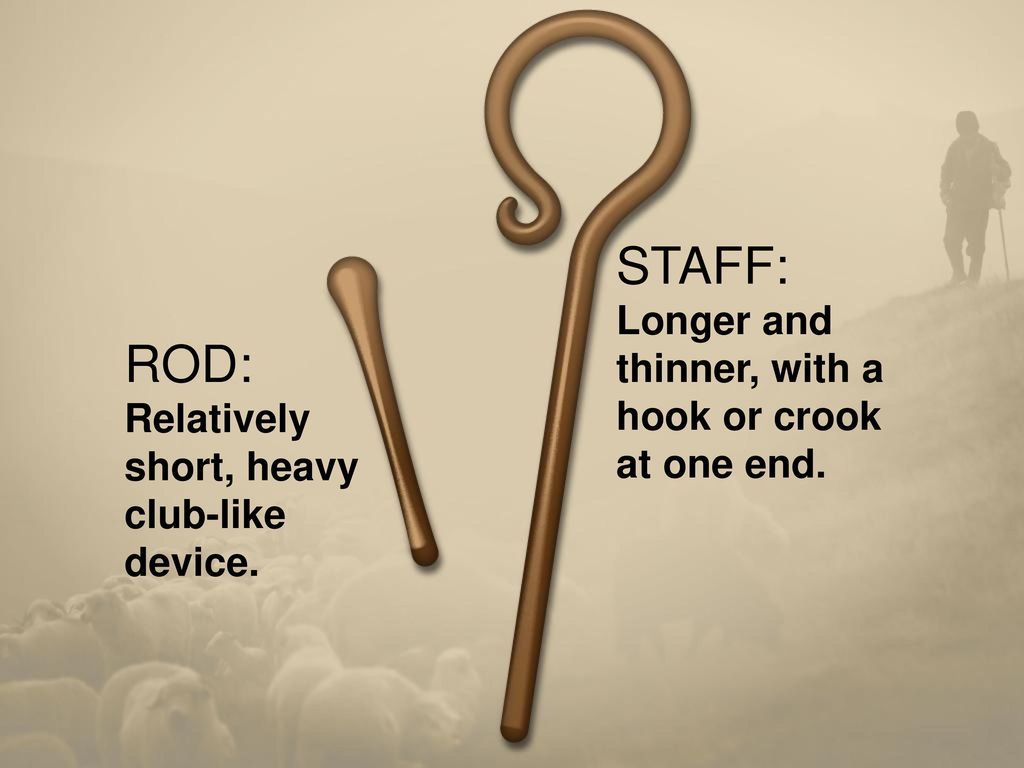
One of the most uplifting interpretations of the rod comes through the rich metaphor of the Shepherd. In this imagery, the shepherd’s crook or staff—which can be interpreted as the symbolic rod—is depicted not just for defense, but primarily for comfort and assurance.
The shepherd uses the tool to gather scattered sheep back into the fold, guiding them through treacherous terrain and preventing them from straying toward danger. This evokes a powerful image of God’s care: He is always close enough to gently guide us when we wander, strong enough to defend us when predators threaten, and steady enough to lead us safely home.
This positive interpretation suggests that the rod symbolizes divine provision—the constant assurance that even when life feels overwhelming or chaotic, there is a guiding hand leading toward peace. It speaks to trust in unseen protection and the gentle consistency of grace.
Warning or Cautionary Meaning: Misunderstanding Divine Authority
Because the symbol can be so potent, it carries inherent cautionary warnings regarding human interpretation. The primary caution is against equating “divine authority” with “earthly control.” We must guard against interpreting God’s powerful guidance as something that requires absolute submission to every directive, or worse, mistaking necessary boundaries for suffocating control.
The spiritual danger lies in believing that divine love can ever manifest as mere force. The cautionary reflection is a call toward discernment: learning the difference between firm, loving direction (which guides us *toward* freedom) and coercive power (which attempts to *limit* our spirit). True authority always points back to self-governance under God’s grace.
Practical Spiritual Reflection: Living with the Rod’s Principles
Understanding this profound symbolism calls for deep personal reflection. On a practical spiritual level, we are challenged to integrate the rod’s principles into our daily relationships and decision-making processes.
First, consider how you can be a “rod” of positive influence—a guide who helps others find their way without undermining their autonomy or worth. This requires wisdom, patience, and empathy far exceeding mere strength. Second, we are invited to reflect on our own capacity to accept necessary correction. How do we view discipline from God or trusted mentors? Is it received as an attack, or is it recognized as a gift of love designed for spiritual growth?
This symbolic journey encourages us to move away from seeking immediate power and instead embrace the patient, consistent work of character building—the slow, steady process of being guided back to the path of life.
Historical and Cultural Context
To ground this symbolism for a broader audience, it is helpful to step outside the purely theological realm. Historically, staffs or rods were universal tools that held immense cultural meaning. In many ancient cultures, carrying such an item signaled status—whether as a powerful warrior, a respected leader, or a wise elder.
From a psychological perspective, these tools served to anchor identity and memory. A shepherd’s crook is not just for physical guiding; it represents the relationship between the caregiver and the cared-for. It speaks to fundamental human needs for belonging, structure, and safety within a community. The symbol thus resonates with our deepest emotional need: the need for consistent guidance in a chaotic world.
The rod, therefore, transcends its biblical narrative; it taps into an ancient human understanding of law, order, and necessary boundaries—showing that spiritual themes often mirror fundamental aspects of human psychology and social structure.
Frequently Asked Questions
What is the primary symbolic meaning of the rod in the Bible?
The rod primarily symbolizes God’s multifaceted authority and guiding hand. It represents both protective guidance (like a shepherd leading sheep) and necessary discipline, demonstrating that divine power is always ultimately meant for restoration and spiritual maturity.
How does the symbolism of the rod relate to Divine Sovereignty?
When viewed through the lens of sovereignty, the rod reminds us that ultimate control rests with God. It symbolizes His unwavering ability to establish order, provide passage where none existed, and guide human history toward righteousness, transcending any temporary earthly authority.
Is the symbolism of the rod focused on punishment or protection?
While it can symbolize correction (discipline), the emphasis in biblical wisdom is that discipline is an act of profound love. The goal is never merely control; rather, it is always spiritual shaping—guiding a person back toward safety and growth.
What does the shepherd’s staff or crook symbolize?
The shepherd’s tool is one of the most comforting interpretations. It symbolizes divine provision and care. It signifies that even when we feel lost or wander, God is always present—gently guiding us back to the fold and protecting us from danger.
Does “the rod” mean human authority is inherently wrong?
No. The Bible acknowledges necessary earthly structures of leadership (stewardship). However, the symbolism constantly urges believers to differentiate between healthy boundary-setting—which guides toward freedom—and coercive power, always pointing back to divine grace and self-governance under God.
Conclusion: Trusting God’s Guiding Hand
The biblical symbolism of the rod is a rich tapestry woven with threads of power, profound guidance, and unwavering love. It teaches us that strength, when wielded by divine authority, is never merely about force; it is always ultimately restorative.
Ultimately, the symbol invites us to trust in a guiding hand—a hand capable of both mighty miracles and quiet, consistent counsel. May we approach our lives with an open heart, ready to receive correction as a sign of love, embracing the journey toward maturity under divine guidance, knowing that this spiritual stewardship is always guided by ultimate faithfulness.
Your reading does not have to end here
Keep exploring your path
Try a free tool or continue into related meanings while the curiosity is still warm.
