



The human experience is fundamentally defined by cycles of safety and vulnerability. From a purely secular perspective, the concept of “refuge” denotes a physical sanctuary—a place or state where one can find protection from danger, conflict, or immediate threat. Historically, societies have established safe zones, walls, and borders to ensure survival. This universal need for shelter speaks to a deep-seated part of the human psyche that yearns for stability when chaos reigns.
When this concept is moved into the realm of spiritual exploration, the meaning expands far beyond mere geography or physical barriers. Biblical texts reveal that refuge is not just a location; it symbolizes an ultimate source of safety—a divine connection available to humanity during times of profound personal crisis, existential doubt, or global unrest. It points toward a transcendent shelter that remains constant regardless of earthly circumstances.
Note: This article is for informational and spiritual reflection only. It is not a substitute for professional theological, pastoral, or mental health counseling.
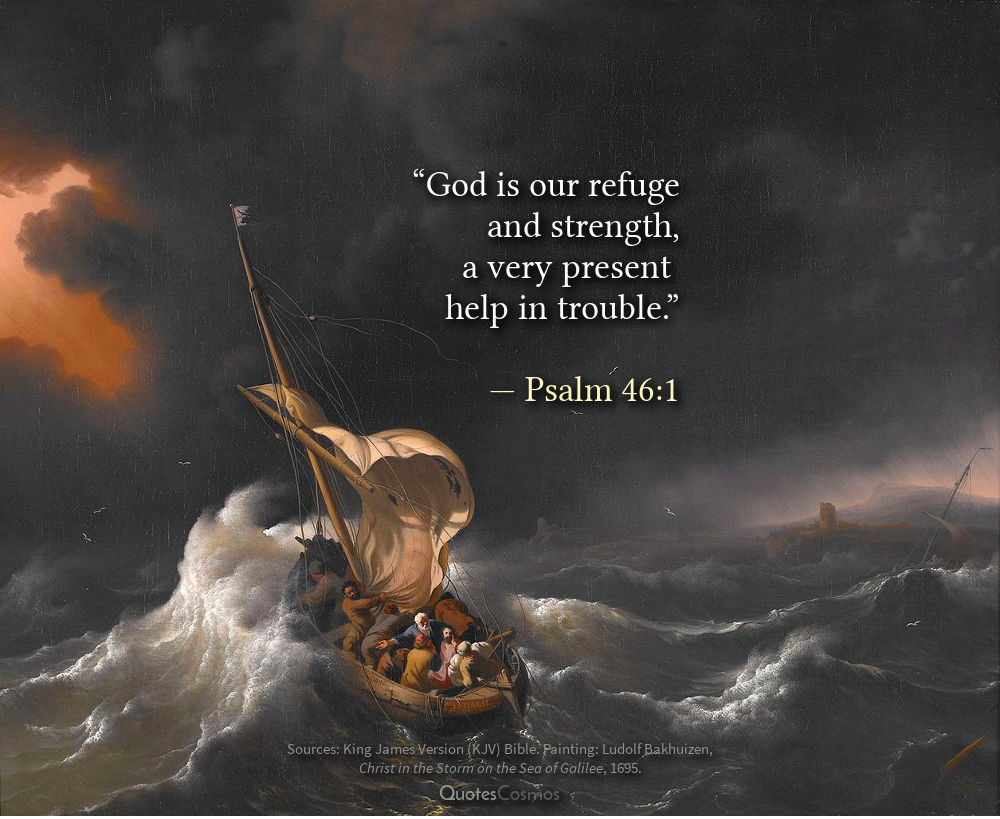
Biblical Symbolism and Themes
To understand the depth of “refuge” biblically, one must observe its evolution—how a concrete physical place became an abstract, eternal reality. In the Old Testament, the concept was highly literal and procedural. These references gave tangible examples to people attempting to grasp invisible spiritual truths.
Try a free compatibility tool
Check your zodiac compatibility
Compare two signs and see where the connection feels easy, intense, or surprising.
The Literal Shelters: Cities, Altars, and Mountains
Biblical literature details several types of designated safe havens. The most famous are the “Cities of Refuge.” These were physical settlements established under specific law for individuals who committed unintentional manslaughter. Critically, these cities provided a temporary cessation of vengeance, allowing time and space for reconciliation or divine judgment to take place. They served as immediate, visible proof that God’s law superseded human retribution.
Other powerful symbols include the Temple and its altars—places set apart for sacrifice and communion with the Divine. These sacred spaces were understood not just as buildings, but as physical points where humanity could approach the holy presence of God. Furthermore, mountains, such as Mount Sinai or Mount Horeb, often served as symbolic refuges. They represented places of encounter between humanity and divine revelation—sites where rules, covenants, and profound truths were revealed to those who ascended to them.
The Symbolic Shift: From Stone to Spirit
The theological weight of the concept dictates that these physical locations could not be the final destination. If refuge remained solely tied to stone walls or geographical boundaries, it would inevitably fail during an earthquake or siege. Therefore, biblical symbolism guides the reader through a profound shift: the true Refuge is not built by human hands, but resides in God’s covenant character itself.
The altars symbolize Christ’s sacrifice—the ultimate act of appeasement and forgiveness that fulfills the requirement for protection from sin. The heavenly city symbolizes eternal security, suggesting that our final and perfect refuge awaits us beyond temporal struggle. These symbolic transitions teach that while physical safety is temporary, divine provision is everlasting. They point toward a relationship with God as the only stable stronghold.
Soul Signal Quiz
What Message Is the Universe Sending You Right Now?
Take the 60-second Soul Signal Quiz and reveal whether this sign points to clarity, love, purpose, protection, or transformation.
Scripture Themes and Caution
A crucial element of understanding biblical refuge involves recognizing what it *is not*. One of the most common misinterpretations is equating refuge with self-sufficiency or earned safety. The scriptures consistently caution against this kind of works-based security, reminding us that true shelter cannot be bought or built by human effort alone.
The core theological theme underlying every passage on refuge is grace—the unmerited favor of God. True sanctuary is achieved not through adherence to a perfect set of rules (though obedience flows from gratitude), but through absolute reliance on divine mercy. This means recognizing that our deepest need for shelter is protection from the judgment and separation caused by sin itself.
This understanding requires profound humility. The concept challenges the human tendency toward self-reliance, which often makes us feel we have enough resources (wealth, status, relationships) to protect ourselves entirely. Scripture gently guides us away from this spiritual pride, insisting that our only reliable foundation is God’s unwavering covenant love, which remains secure even when our own efforts fail.
Positive Meaning
When the concept of refuge is fully embraced, it unlocks powerful emotional and spiritual outcomes far surpassing mere physical protection. The most profound benefit is *Shalom*—a Hebrew word that describes more than just peace; it encompasses wholeness, harmony, completeness, and right relationship with God and others.
Refuge signifies restoration. It teaches us that the Divine care doesn’t merely prevent harm; it actively renews our spirit. When we are in a place of refuge, we are not simply shielded from the storm; we are provided with the strength to rebuild afterward. This is the difference between surviving an event and being transformed by God’s sustaining presence through it.
Consider the narrative of radical forgiveness. The stories found in scripture—such as the parable of the Prodigal Son—are powerful illustrations of this positive meaning. The son had wandered far from his safety, squandering everything and facing utter ruin. Yet, when he returned, he did not find judgment; he found unconditional acceptance and a shelter of love that was immediately restorative. This symbolizes God’s boundless capacity to welcome us back, regardless of how lost we have become.
Warning or Cautionary Meaning
The spiritual concept of refuge also carries necessary cautionary elements. The primary warning is against establishing “earthly refuges.” We are constantly tempted to anchor our deepest emotional security in things that are inherently temporary: financial stability, professional reputation, the approval of others, or even flawless physical health.
The danger lies in treating these fleeting comforts as ultimate safety nets. These external sources, while valuable and necessary for daily life, are insufficient when facing existential crises or spiritual failure. They are built upon shifting sand. To mistake them for God’s refuge is to build a house on unsteady ground.
Furthermore, there is the caution against spiritual complacency—the idea that because we have enjoyed times of peace and protection, we can become careless with our relationship with God. True refuge requires an active choice: it is not merely a passive place to hide, but an ongoing act of surrender and trust (a verb) toward the Divine Source.
Practical Spiritual Reflection
Taking refuge in God is less an intellectual understanding and more a daily discipline—an intentional practice. It involves actively changing our focus from what we can control to what we cannot, thereby transferring our anxieties and burdens into divine care.
One effective method for spiritual application is dedicated time of confession. This process involves identifying specific areas of anxiety, fear, or worry (such as professional uncertainty, relational conflict, or global instability) and consciously “handing them over” to God through focused prayer. Journaling about these fears can help externalize the stress, allowing us to meditate on Scripture passages that affirm His sovereignty.
Beyond private reflection, finding refuge is inherently communal. The biblical concept emphasizes that we are not meant to bear our burdens alone. Fellowship with other believers—sharing vulnerability in a supportive community—serves as a modern-day echo of the ancient sanctuary. It reminds us that while God is the ultimate shelter, He often guides His people into mutual support systems.
Historical and Cultural Context
For those viewing this concept through an anthropological or psychological lens, understanding refuge provides insight into fundamental human needs for order and security. Historically, nearly every major civilization has developed structures of “sanctuary”—designated safe zones within a larger political structure (e.g., protected tribal lands, neutral borders). These concepts reflect the universal need to define boundaries between threat and safety.
From a psychological perspective, the search for refuge speaks directly to how humans process trauma and anxiety. When faced with overwhelming stress or memory of danger, the mind instinctively seeks containment and predictable structure. The biblical concept elevates this natural human coping mechanism into a spiritual reality: God is presented as the perfect, ultimate container that holds all our chaos, fear, and fragmented emotions.
In modern times, global events—from pandemics to political upheaval—have intensified this universal need for grounding stability. These crises force humanity to confront the limits of human control, making the ancient, symbolic call back to a transcendent source of safety more relevant than ever before.
Frequently Asked Questions
What is the difference between a physical refuge and a spiritual refuge?
A physical refuge refers to a literal place—like a city or fortress—that offers temporary safety from immediate danger. In contrast, a spiritual refuge is an internal state of being; it signifies finding complete and unwavering security in God’s covenant character. While physical shelters are subject to siege or decay, the spiritual refuge found in faith remains constant regardless of earthly turmoil.
How does the Old Testament concept of refuge point toward Christ?
Biblical symbolism consistently guides us through a transition from stone to Spirit. The temporary safe havens—the Cities of Refuge or sacred altars—were all pointing toward an ultimate, perfect shelter. Many readers understand that this final, eternal sanctuary is found in Jesus Christ, who is seen as the ultimate sacrifice and the only stable stronghold against the judgment and separation caused by sin.
Is seeking refuge about doing good deeds?
The scriptures teach that true spiritual refuge cannot be earned or built through human effort alone. The core message is one of grace—unmerited favor from God. Seeking refuge means recognizing our profound inability to save ourselves and instead placing complete, humble trust in God’s boundless mercy and covenant faithfulness.
How can I practically apply the concept of seeking refuge daily?
Applying this concept is a discipline of the heart. It involves an active choice to shift your focus from what you try to control (finances, relationships, outcomes) to resting in God’s sovereignty. Practical ways include dedicating time for confession and prayer—intentionally “handing over” specific anxieties or burdens to Him—and engaging in supportive community fellowship.
Conclusion
Ultimately, the biblical meaning of refuge is a journey away from self-reliance and toward radical dependence on divine grace. It teaches us that true security is not found in impenetrable walls or guaranteed outcomes, but in the enduring relationship with the Divine Source of life.
Refuge inspires us to live with a posture of persistent trust—acknowledging our vulnerability while confidently resting in the eternal promises of God’s care. May this understanding encourage us to treat every challenge not as a source of ultimate fear, but as an opportunity to deepen our shelter in His everlasting strength and peace.
Your reading does not have to end here
Keep exploring your path
Try a free tool or continue into related meanings while the curiosity is still warm.
