



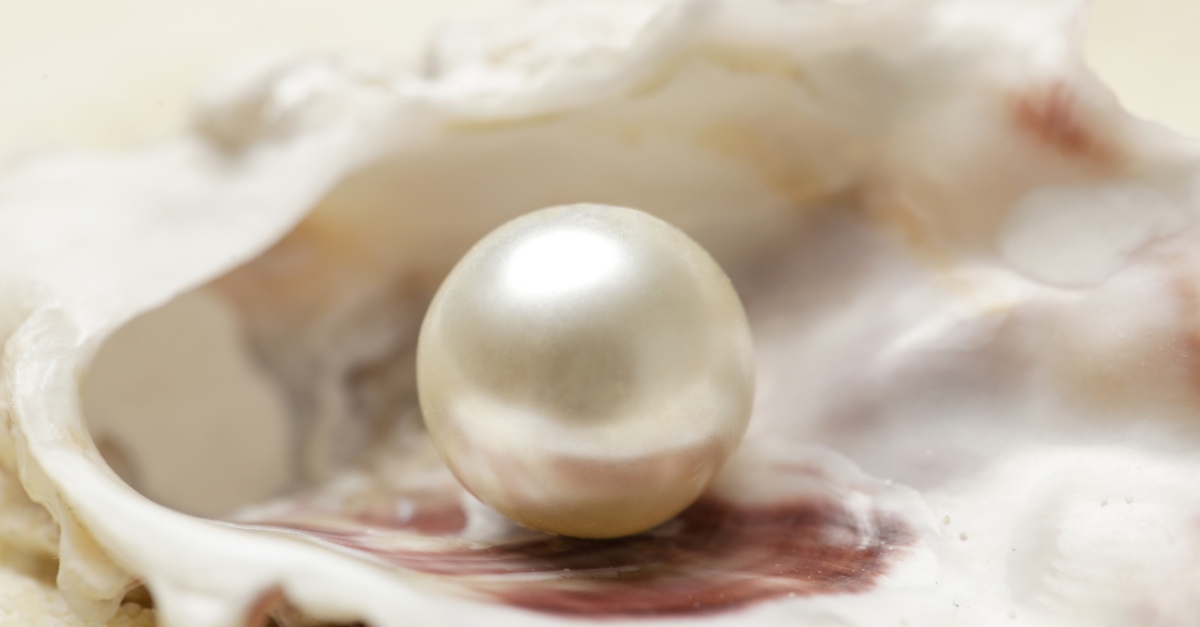
In ancient times, few objects commanded the reverence, rarity, and sheer beauty of the pearl. Found deep within the ocean, it is a gem unique among natural stones because it is not formed by geological pressure or heat, but rather by a living organism—a beautiful testament to transformation. For centuries, this exquisite quality translated into immense cultural and economic value, making pearls symbols of unparalleled status and luxury across various civilizations.
When we turn our gaze from the marketplace to the sacred texts, however, the meaning of the pearl shifts dramatically. The biblical understanding transcends mere adornment; it elevates the physical gem into a profound metaphor for spiritual realities. In Christian tradition, pearls are not simply beautiful objects but potent symbols used by scripture to communicate concepts like ultimate value, perfect purity, acquired wisdom, and the incomparable treasure of God’s Kingdom. To explore the biblical meaning of pearl is to journey into a rich tapestry of faith, sacrifice, and devotion.
Note: This article is for informational and spiritual reflection only. It is not a substitute for professional theological, pastoral, or mental health counseling.
Biblical Symbolism and Themes
The Ultimate Treasure: The Kingdom of Heaven
Perhaps the most powerful symbolic use of the pearl relates to the nature and value of God’s Kingdom. Jesus used the parable of the merchant looking for fine pearls (Matthew 13:45-46) to illustrate this concept. This narrative presents a man who, while searching diligently, discovers a single pearl so valuable that its worth eclipses everything else he possesses. His immediate and total response is not hesitation or calculation, but complete divestment: he sells all his worldly goods to acquire it.
Try a free compatibility tool
Check your zodiac compatibility
Compare two signs and see where the connection feels easy, intense, or surprising.
In biblical symbolism, this parable invites deep reflection on priority. The pearl does not symbolize merely *a* treasure; it symbolizes the single, ultimate, non-negotiable treasure—the Kingdom of Heaven itself. It suggests that genuine devotion to God’s will is worth sacrificing all comfort, material security, and worldly ambition for. This teaching emphasizes a radical commitment, challenging the reader to consider what modern life might be asking them to sell in exchange for eternal value.
Purity and Formation through Irritation
Beyond sheer monetary value, the pearl carries deep symbolism related to purity and transformation. Geologically, a natural pearl forms when an irritant enters an oyster. The organism does not reject the irritant; instead, it slowly builds layers of nacre (the pearly substance) around it, gradually transforming the painful stimulus into something beautiful, resilient, and perfect. This biological process is often interpreted in spiritual terms.
In this symbolic reflection, life’s challenges—the “irritants”—are viewed not as random misfortunes, but potentially as necessary catalysts for growth. The pearl may therefore symbolize a soul that has undergone intense refinement: the struggle, the difficulty, and the endurance required to polish the raw self into something of extraordinary spiritual beauty and character. This suggests that perfection or profound purity is rarely instantaneous; it requires time, effort, and the patient layering of grace.
Wisdom Over Material Wealth
The symbolism also draws a sharp contrast between physical wealth and true wisdom. In passages like Job 28:18, the text suggests that while pearls may be highly prized commodities, “no mention shall be made of coral, or of pearls: for the price of wisdom is above rubies.” This comparison serves as a potent reminder to prioritize intellectual, spiritual, and moral knowledge over tangible riches.
The pearl thus becomes a subtle counterpoint: it reminds us that while we often chase visible signs of success (like glittering gems), the most enduring and valuable forms of wealth—such as profound understanding, deep empathy, righteous character, or divine wisdom—are intangible, yet infinitely more precious. The true treasure is not something found in a vault; it is cultivated within the heart.
Soul Signal Quiz
What Message Is the Universe Sending You Right Now?
Take the 60-second Soul Signal Quiz and reveal whether this sign points to clarity, love, purpose, protection, or transformation.
Scripture Themes and Caution
The Call for Discernment: Not Casting Pearls Before Swine
A common caution associated with this symbolism comes from Jesus’ warning against “casting pearls before swine” (Matthew 7:6). This teaching emphasizes spiritual discernment in the act of sharing wisdom or truth. It does not mean that knowledge should be hoarded, but rather that it must be shared wisely and judiciously. The image serves as a gentle caution to evaluate whether the recipient is prepared to appreciate and value the profound truths being offered.
This theme encourages believers in thoughtful stewardship of their faith—being mindful of how they communicate wisdom, ensuring that their words are directed toward those who have an open heart and a capacity for genuine appreciation. It underscores the importance of understanding context when engaging with spiritual matters.
The Distinction Between Inner Virtue and Outer Adornment
Another important symbolic caution relates to vanity. Scripture often reminds believers that outward adornments—whether they are expensive pearls, elaborate garments, or social status symbols—should never be mistaken for true inner worth. For instance, some passages advise modesty in dress and conduct.
This symbolism warns against equating material success or physical beauty with spiritual depth. The greatest value a person can possess is their character, their devotion, and the quiet integrity of their heart. The warning encourages readers to look beyond the shimmering surface—the outward display—and focus on the foundational quality of the soul.
Positive Meaning
Grace and Perfection Through Divine Favor
One uplifting interpretation connects the pearl to divine grace. If a pearl represents ultimate perfection, it can also symbolize receiving God’s unearned favor or undeserved kindness. Just as the pearl is a gift formed by a process outside of its own making (the irritant), spiritual perfection in faith is often seen as a gift—a continuous unfolding of character that relies on divine support.
This perspective shifts the focus from human effort alone to grace-filled transformation. It suggests that while diligence and devotion are required, true inner beauty and spiritual completeness are ultimately achieved through accepting and living by God’s immense mercy. The pearl thus becomes a glorious emblem of redemption—a beautiful outcome stemming from profound divine care.
Warning or Cautionary Meaning
The Danger of Misplaced Priorities
The cautionary side of the symbolism warns against spiritual materialism. It is easy, in modern life, to confuse achievement and material comfort with true fulfillment. The pearl’s constant reminder that everything else must be surrendered for the Kingdom serves as a check against idolatry.
This caution encourages believers to perform regular emotional inventory: What am I currently placing more value on—my career success, my possessions, my reputation, or my relationships—than the pursuit of deeper spiritual connection? The pearl symbolizes that nothing else can hold the ultimate place in our hearts without compromising the most valuable treasure.
Practical Spiritual Reflection
Identifying Your “Pearl of Great Price”
The symbolism invites a profound self-examination: What is my ‘pearl of great price’? This reflection asks us to move beyond superficial goals and identify what we truly value—the unwavering pursuit of relationship with the Divine, selfless service, or deep moral integrity. Identifying this ultimate treasure helps anchor our daily decisions.
Furthermore, reflecting on the formation process of a pearl offers practical guidance for spiritual endurance. Recognizing that true character is not formed in comfort, but through resistance and challenge, encourages resilience. When facing personal struggles, one can reflect on the belief that those difficulties are part of a refining process—a necessary layer building towards greater inner brilliance.
Historical and Cultural Context
The Economic Weight of Pearls in Antiquity
Historically, pearls were not merely beautiful; they were integral to ancient economies. Their incredible rarity meant they served as markers of power and wealth among royalty and the elite. In cultures spanning from Mesopotamia to Rome, possessing fine pearls was a public declaration of high status and deep connections.
From a psychological perspective, this cultural weight influenced how people processed memory and emotion. Because pearls were so valuable, they were often used in ceremonial gifts—gifts meant to solidify alliances or commemorate profound emotional milestones. This historical use grounds the symbol: it was always linked to something of supreme importance, whether that importance was political, social, or spiritual.
Frequently Asked Questions
The pearl’s primary and most profound symbolic meaning relates to the incomparable value of God’s Kingdom—often referred to as the “Pearl of Great Price.” It teaches that there is one ultimate, non-negotiable treasure (the divine relationship) whose worth far exceeds all worldly riches, status symbols, or material possessions. The symbolism challenges us to prioritize eternal values above everything else.
Can the pearl symbolize personal struggle or purification?
Yes. Symbolically, the formation of a natural pearl occurs when an irritant causes layers of protective nacre to build around it. In spiritual terms, this process suggests that life’s difficulties and challenges are not random misfortunes, but potential catalysts for profound growth. The pearl can represent the soul undergoing intense refinement—where struggle builds resilient character and inner beauty.
Does the symbolism encourage valuing inner virtue over outward appearance?
Absolutely. A key caution of the symbol is to look beyond superficiality. While pearls are beautiful, scripture reminds believers that true worth lies in the integrity of the heart, deep wisdom, and righteous character. The pearl serves as a reminder that material success or physical adornments should never be confused with spiritual depth.
How can I reflect on the symbolism of the pearl in my daily life?
You can use the pearl’s symbol for self-examination. Ask yourself: What do I currently place more value on—my career, possessions, reputation, or relationships—than the pursuit of a deep spiritual connection with God? Identifying your “Pearl of Great Price” helps anchor your decisions and encourages you to make constant choices that reflect what is truly eternal.
Conclusion
The biblical symbolism surrounding the pearl is a masterful lesson in valuation. It teaches us that while physical beauty and wealth are fleeting and temporary, there exists an internal, transcendent value—the Kingdom of Heaven—that far surpasses all earthly measures.
Ultimately, the pearl serves as a shimmering reminder to seek not just material success, but profound spiritual depth. May this symbolism encourage continuous devotion, patient endurance through life’s inevitable challenges, and the steadfast pursuit of inner goodness that truly reflects the divine light.
Your reading does not have to end here
Keep exploring your path
Try a free tool or continue into related meanings while the curiosity is still warm.
