



Throughout human history, few natural commodities possess a symbolism as rich, potent, and multifaceted as honey. Far exceeding its function as a simple sweetener, this golden liquid has been revered across civilizations, documented in art, medicine, and most profoundly, within sacred texts. To encounter honey in biblical literature is to encounter more than just food; it is an intricate symbolic language.
Biblical symbolism requires the reader to look past the literal object—the sticky, sweet product of the bee’s labor—and recognize the ideas that object represents: abundance, wisdom, healing, and divine provision. It speaks to a profound connection between nature’s perfect cycles (the blooming flower, the diligent bee) and the promises of divine faithfulness. Analyzing honey through this spiritual lens allows readers to gain deep insights into themes of blessing, sustenance, and the journey toward fulfillment.
Note: This article is for informational and spiritual reflection only. It is not a substitute for professional theological, pastoral, or mental health counseling.
Quick Biblical Meaning
In the context of ancient scripture, honey consistently emerges as a marker of desirable states—states that are rich, nourishing, joyous, and fulfilling. The sheer sweetness associated with it naturally draws the reader’s attention to concepts of divine benevolence (goodness) and overwhelming provision.
Try a free compatibility tool
Check your zodiac compatibility
Compare two signs and see where the connection feels easy, intense, or surprising.
When examined symbolically, honey often serves as a tangible metaphor for God’s goodness and mercy. It speaks to the kind of blessing that is innate, natural, and easily savored—the spiritual richness of life guided by faithfulness. It suggests a state of grace where sustenance (like milk) meets profound joy (the sweetness of honey), symbolizing divine favor in its most complete form.
Soul Signal Quiz
What Message Is the Universe Sending You Right Now?
Take the 60-second Soul Signal Quiz and reveal whether this sign points to clarity, love, purpose, protection, or transformation.
Biblical Symbolism and Themes
One of the most enduring and powerful symbolic usages involving honey is the phrase “land flowing with milk and honey.” This metaphor, found repeatedly in biblical narratives regarding the Promised Land, carries immense weight. To fully understand it, one must look at both components: Milk represents fundamental sustenance—life itself, nourishment, and fertility (the basic requirements for physical survival). Honey, conversely, symbolizes the heightened joy, unparalleled sweetness, and extraordinary prosperity that go beyond mere existence.
Together, they paint a picture not just of *survival*, but of thriving. This pairing suggests an overwhelming abundance—a provision so complete that it satisfies both the deepest need for physical nourishment and the highest longing for spiritual joy. The symbolism moves from basic sustenance to magnificent blessing, suggesting that God’s gifts are comprehensive.
Furthermore, honey often functions as a metaphor for the fulfillment of covenants. It speaks to the realization of promises—the journey from promise (a dry plain) to fruition (the sweet abundance). When scripture refers to this sweetness, it invites reflection on moments in life where long periods of patience and struggle culminate in undeniable joy or realized blessings.
Scripture Themes and Caution
Beyond physical abundance, honey is deeply connected to the intellectual and spiritual nourishment found in God’s word. Passages referencing the comparative sweetness of honeycomb are often interpreted as suggesting that divine wisdom and instruction possess a profound allure—a knowledge that is inherently desirable and supremely satisfying.
This connection suggests that true wisdom is not merely academic, but nourishing; it has the quality of something sweet to the soul. It offers guidance (like honey guiding bees) and sustenance for the spirit, making the Word a source of continuous delight. The symbolism encourages readers to view scripture not as a set of rigid rules, but as a liquid stream of life that continually nourishes the spirit.
However, this profound sweetness also invites reflection on spiritual discernment. If “sweetness” is constantly sought in external comforts or temporary pleasures, it can distract from deeper, sometimes more challenging forms of devotion. The symbolic caution here is to ensure that the pursuit of joy (the honey) does not overshadow the diligent effort required for wisdom and true growth (the disciplined study of truth). True spiritual fulfillment requires both sweetness and discipline.
Positive Meaning
The positive interpretations surrounding honey often center on themes of renewal, gratitude, and divine grace. It is frequently associated with new beginnings, particularly in rituals marking the transition to a prosperous year. The act of consuming something sweet marks an acknowledgment that life’s difficulties have passed, replaced by God’s benevolent hand.
Honey symbolizes how grace operates: it takes the wild, raw elements of nature (the nectar and pollen) and transforms them into something beautiful, usable, and perfectly balanced. This mirrors the spiritual concept of transformation—how difficult or ‘bitter’ experiences can be processed by divine mercy and ultimately result in a sweet disposition toward life.
It is also linked to purity and virtue. Because honey is a naturally occurring product—purely created by bees from flowers—it often represents gifts that are untainted and divinely given, emphasizing the pure nature of God’s blessings and the virtues required to receive them with gratitude and humility.
Warning or Cautionary Meaning
While the overwhelming symbolic weight is positive, a balanced spiritual reflection must acknowledge potential pitfalls. The concept of “sweetness” can sometimes be used metaphorically to represent superficiality—a belief that joy and blessing are always immediate and effortless. This creates a subtle caution against complacency.
The warning is not about the substance itself, but about our *reliance* on its symbolism. Some readers may interpret constant sweetness as an assurance of eternal favor or immunity from spiritual struggle. The symbolic depth suggests that while God’s provision is abundant, it does not negate the need for vigilance. Faith must be active and discerning; simply being blessed (sweet) is not the same as remaining devoted (disciplined).
This encourages a mindful approach to life’s gifts. We are cautioned against mistaking temporary comfort or worldly success—which can feel overwhelmingly sweet—for genuine, enduring spiritual security. The highest wisdom always includes humility and the readiness for seasons of dryness, understanding that growth often requires weathering the less-sweet parts of life.
Practical Spiritual Reflection
Applying the symbolism of honey today invites us to examine the source and nature of our own perceived “sweetness.” When we experience joy or prosperity, a key reflective question can be: Is this sweetness self-generated (the effort of human will) or is it a gift freely given (divine grace)? This questioning deepens gratitude and humility.
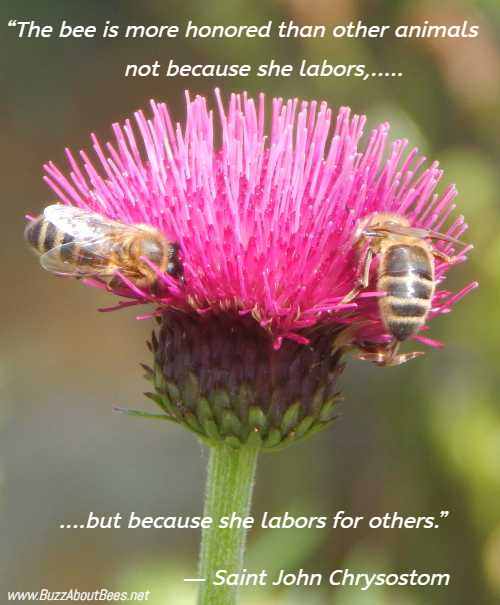
Furthermore, the journey of the bee—from gathering nectar to transforming it into pure honey—can serve as an analogy for spiritual discipline. The raw materials (our daily experiences, our challenges, the Word itself) must be carefully collected and processed through time and effort before they become a polished, nourishing resource. This suggests that true wisdom is not found in instant knowledge but in diligent, patient processing of life’s inputs.
Ultimately, reflecting on honey encourages intentional gratitude. It prompts us to pause and appreciate the simple, stable provision that permeates our lives—the daily bread, the gentle guidance, the sustaining relationships. By viewing these mundane blessings through a symbolic lens, they become sacred moments of grace.
Historical and Cultural Context
For those approaching this topic from a historical or scientific perspective, it is important to ground the symbolism in the reality of ancient life. Before the advent of refined sugars, honey was not merely a treat; it was an irreplaceable staple that intersected with daily survival, trade, and medicine.
From a physical standpoint, honey possesses remarkable natural compounds. Scientifically, its sticky consistency and low pH make it naturally antibacterial, capable of inhibiting bacterial growth. Furthermore, modern research highlights powerful antioxidant properties, which help the body combat damage from free radicals—a function that aligns conceptually with ancient understandings of healing.
Historically, the collection process was a highly skilled trade. Beekeepers used methods like *skeps* (woven baskets) to manage and harvest bees in a sustainable way. The commodity value of honey meant it was traded across vast distances, often used as an early form of currency or tribute. This reality underscores that the reverence for honey in ancient cultures stemmed from its irreplaceable utility—it sustained life, healed wounds, and fueled commerce.
Frequently Asked Questions
Biblically, honey rarely refers just to a sweetener; it is a profound symbol of divine goodness, abundance, and overflowing grace. It represents a blessing that is natural, inherent, and easily savored—a spiritual richness that comes from following God’s plan.
What does the metaphor “land flowing with milk and honey” signify?
This powerful metaphor speaks to total fulfillment and comprehensive blessing. If Milk symbolizes fundamental physical sustenance (life itself), Honey represents the unparalleled joy, sweetness, and extraordinary prosperity. Together, they paint a picture not merely of survival, but of thriving—a complete provision that satisfies both basic needs and the highest longing for spiritual delight.
Is honey’s symbolism limited to physical abundance?
No. While it can represent physical plenty, its primary focus is spiritual nourishment. Honey often symbolizes divine wisdom (as in “sweeter than honeycomb”), implying that true knowledge and instruction from God are profoundly desirable, deeply satisfying, and spiritually uplifting. It suggests that the Word itself is a source of continuous delight.
How does honey relate to the concept of divine grace?
Honey symbolizes how grace operates: it takes raw, natural elements (like nectar) and transforms them into something pure, beautiful, and usable. Spiritually, this mirrors divine mercy—how difficult or challenging life experiences can be processed by God’s hand and transformed into a sweet disposition toward life and faithfulness.
What spiritual lesson can I take from the journey of the bee?
The bee’s process offers an analogy for spiritual discipline. The raw materials (our daily challenges, our experiences, the Word) must be diligently collected and processed through time and effort before they become a polished resource. This reminds us that true wisdom and deep faith are not found in instant knowledge, but in patient, intentional growth.
Conclusion
The biblical journey with honey is a beautiful testament to how a simple physical object can carry layers of profound spiritual meaning. It moves us from the tangible reality of a potent medicinal commodity (antibacterial, nourishing) to the abstract concept of divine blessing (the sweet promise). The enduring message remains clear: God’s provision is not just about survival; it is about overwhelming grace that brings both sustenance and unparalleled joy.
As we contemplate this rich symbolism, we are encouraged toward a life of deepened gratitude. We learn to view the challenges and blessings in our own lives through this lens—recognizing the sweetness that comes from patience, the nourishment found in wisdom, and the profound goodness inherent in divine faithfulness. Honey serves as a powerful, golden reminder that true fulfillment is always abundant, beautiful, and deeply rooted in grace.
Your reading does not have to end here
Keep exploring your path
Try a free tool or continue into related meanings while the curiosity is still warm.
